CRAFTING WELLNESS STORY
BEYOND THE SIRENS: PARAMEDIC SOPHIE ON COMPASSION, COURAGE, AND LIFE IN EMERGENCY MEDICINE
In this episode of MDF Instrument's Crafting Wellness Podcast, we sit down with paramedic Sophie for an honest look at life on the front lines of emergency care. Sophie shares what inspired her to pursue paramedicine, the realities of working in unpredictable and high-pressure situations, and the responsibility of caring for people during some of the most vulnerable moments of their lives. From the importance of compassion and human connection to managing stress, building resilience, and finding purpose in difficult work, Sophie offers a thoughtful perspective on what it truly means to serve a community. This conversation is a powerful reminder that behind every uniform is a person navigating the emotional, physical, and deeply human side of healthcare.
IG + YouTube: @ParamedicSophie
@LifeAndSirens
@pmhxpodcast
@mdfinstruments
TRANSCRIPT
Paramedic Sophie
I don't think any of us sign up to be heroes. I think we sign up to make a difference, to have purpose, and it unfortunately does come at a cost. But I don't think that people often realize the cost who aren't in healthcare and how devastating it can be to just existing right as a normal human being when we take our scrubs off or our uniform off or our flight suit off. So we hear it a lot. Again, you signed up for this. That's what I hear often. It's like, well, you signed up for this. Like, what are you complaining about? You signed up for this. Again, we sign up to be helpers, healers, and do something that fulfills us. But there are sides of this job that are scary and will change us forever. I love it so much, and I can't imagine myself doing anything else. I'm so grateful for it. But I'm not a hero. I'm just a person. I have no superpowers. I need support and love and equipment and things to do my job.
Brooke Smith
Hi everyone. Welcome to MDF Instruments Crafting Wellness Podcast. I'm really excited today to introduce you to Sophie. She is a flight medic, paramedic in EMS, and she's going to talk a little bit about her journey.
Paramedic Sophie
I'm Sophie. I am a paramedic. I started EMS because I had worked in the hospital as a patient tech. Because I thought maybe I wanted to go to nursing school, but I realized that my personality may be more suited for outside of the walls of a hospital or clinic. So my best friend at the time, she was a paramedic, and she said, "Why don't you give it a shot? So I went to EMT school, and then I went to advanced EMT school, and I went to paramedic school, and then I went to critical care paramedic school. I worked as a 911 paramedic and a ground interfacility transport medic, and I just kind of was craving something different again. And after several years of working on the ground, I decided, you know what, I'm going to go fly. I think, so I did what they call a fellowship at a flight agency just to make sure I liked it. We didn't want to test out being a flight medic for the first time on the first day, right? And I loved it. It's an incredible job, and I'm so lucky to do it. When I'm not flying and things like that, I spend a lot of time speaking at conferences about EMS, EMS culture, culture and healthcare, how we can get better and improve. Whether that's you know personal wellness or leadership, my special interest, I should say, is EMS. So I am all things EMS. I love it. I love every second of it, and I again am so grateful to do this job.
Brooke Smith
'm actually like kind of fangirling because I think it's incredible what you do. I'm really in awe of all of it, and I kind of want to learn with anybody too that might be listening or watching. It sounds like a lot of school. Could you walk us through a little bit about how that process works for following your career path to do EMS, to do paramedicine, and then going on to be a flight paramedic, schooling, and how long it took, kind of the journey you took with
Paramedic Sophie
I think a lot of people don't know how to get into it, and a lot of us just got into it on accident. But the way EMS works, as far as education goes, it's like progressive as far as licensure. So you start out with a basic EMT license. Some states have what we call an intermediate or an advanced EMT license. So there's a few more skills on top of that. Those are both just a semester each. So nothing too wild. And then oftentimes once you get your advanced EMT, you're able to work on 911 trucks, and most of us we tend to be on the truck for a few years before we decide to go back to paramedic school just to get some experience under our belt, because paramedic school it's so worth it, but it is quite a bite to chew. So you apply for the program, you test in depending on what the standards are for that program, and then where I went, and in most cases it's a year straight, so it's three semesters consecutively. I did a fall, a spring, and a summer, and it is intense. There's 1000s of things going on. You're going to class. You're going to clinicals. You're going to simulation labs. It is just all day, every day. We get to do clinicals not only in the EMS setting, but also in the hospital setting, and then in the surgical setting when we go to paramedic school. So that's pretty neat. Once you go to paramedic school and graduate and are released to work on your own. You can spend a few years in the field, and then you're able to go to critical care school in my state. And this does vary by state, and that again just opens up your scope one more time, and that's another semester. So we're talking. Let's see, that's four semesters for paramedic and critical. Care and then two, so six semesters. Most programs are done at colleges. Some are associated with hospitals, but it is a lot of continued education after you get your license as well. But if you love it, it's all a good time, in my opinion. Some of it, you know, we all have to do whether you're a nurse or whatever it is. Maybe they have your BLS card or ALS card, some of that stuff. But education is very hands-on in this field because I think they know the kind of people who are out here in the field. So I love it. It's pretty cool if you don't quite know where you want to go in medicine yet, and maybe you don't want to be like a patient care tech, but you want to go to EMT school and see if you like medicine. It just takes one semester, so and I think it's a good place to start.
Brooke Smith
There's just like an infinite amount of licensing you can be adding on all the time.
Paramedic Sophie
Yeah, we have all kinds of certifications, and we call them like endorsements on our license that you can get. Again, sometimes it depends on the state. There are international certifications and things like that that you can get, but we're always doing continuing education to keep our license active. You can like specialize, right? There's things like community paramedicine, which is more like urgent care and like primary care, but like on the go, that's kind of a new thing. Usually, you're partnered with maybe a nurse practitioner or PA or things like that. That's very new to our field, but you can go that direction. There's wilderness, paramedicine, critical care paramedicine, flight paramedicine. That's what I love about it is that you can go whatever direction your heart desires. There's a lot more of an avenue once you get your paramedic. EMT and AMT are very entry level, so you kind of have to stay on the truck. But once you get your critical care, it's pretty cool. There's spots at national parks. You can work in ORs. You can work in clinics, you can work in the ER, you can work in the field, you can work in the air. It's kind of great.
Brooke Smith
How did this career find you? Was this something you always knew you wanted to do? Or like, tell me about this passion because obviously you were investing a lot of time and energy into it, so you definitely have some passion. Where did this love kind of stem from?
Paramedic Sophie
Well, so I have always been fascinated with medical anything. I went to school originally actually for graphic design, even though I still had this like heart for medicine. I was like, you know, and I love. I didn't know which one to pick, right? These are two things I'm super passionate about. So first, I went to school for graphic design. I started doing graphic design, and I was like, I think that I need insurance. I need a solid income, something that's reliable and is always going to be there. So that's when I decided, okay, I love medicine. Let's just go for it. I started working in the hospital, and I just kind of fell in love with interacting with people every day and like having like a change of pace, I didn't have to work on the same project for weeks and weeks and weeks, and I just never knew what I was going to get. Did kind of get tired of having to be within the walls of a hospital because I'm a chaotic person, and as chaotic as a hospital can be, I wanted more variability, so I was like, you know what? Let's try this. And I, I'm telling you, from the moment I started, I was like, this is it. I had my struggles just like all of us, like when we're learning something new, and it was scary a lot of days, not just for the clinical aspect, just like going out into the world, into people's houses, and not knowing what you were going to get. But I was like, I like the adventure that I get to go on every day.
Brooke Smith
Yeah, and isn't that funny how people can have very different perspectives? Like, there can be a personality type that's like, I absolutely want to know what I'm doing every day. And like, prepare for. But then, you know, in in an environment like what you're doing, it's like you could be clocking in for your shift and have like a pretty like steady for what you do, like pretty steady normal day. And then you could also have a shift where it's just like literally everything's just on fire everywhere. So can you talk about like how you obviously you thrive in the chaos of everything and which is awesome, but can you talk a little bit about what that what that does to your like fight or flight mode as far as like for your health and wellness? Because I imagine you have to be really good at compartmentalizing a bit and keeping your head cool under pressure and all of these things. So, do you have advice that you give to people or how you get through those really difficult moments?
Paramedic Sophie
I think that's a great question, and it's one thing I love to talk about because for many years I spent my time working way too much, picking up every. Overtime shift at a place where I already was really busy every shift. Like it was very busy EMS service, and we had lots of high acuity. And I didn't really realize it because when we talk about burnout and you know compassion fatigue and stuff like that, it's kind of like a big. We talk about like the most dramatic parts of it, and it happened slowly, and then all at once. And I realized I needed to do some priority shifting. Right. So in healthcare, we see some things that are unimaginable to most people, especially in the pre-hospital setting. A, it was very enlightening to me. I got to see how a lot of people live differently than me, so it kind of humbled me in that way. But I also have to practice, and I think a lot of us do, like just radical acceptance, accepting that I'm a human being practicing medicine, and that it's not always going to go how I plan it to go, where I want it to go, and then also radically accepting the fact that we cannot prevent terrible things from happening always, and we can't always prevent every loss of life. And I think just knowing that the cards that have been dealt are those cards, and we can do our best to, you know, shuffle the deck and hope for a better outcome. But as long as we are doing our best and prioritizing, you know, good patient care in the field setting, outcomes are going to be outcomes. And as terrible as they are, and as hard as they hit us, yeah, just knowing that is the reality. Like, and then personally, I was just so tired all the time. I had no time for recovery, and recovery in this job is probably the most important part, I think. And not making it your identity. And as much as I spend sharing my job and how wonderful it is on the internet and at conferences and in education. I also want people to know that I am a whole person outside of my job, outside of my uniform, outside of my flight suit. You need that. You need somewhere to go home to. And I think all of us are, or most of us, are so passionate about our jobs in this field that we forget that sometimes
Brooke Smith
You've said so many profound things. Relinquishing control is something I think a lot of people, no matter what career they're in, can relate to. When you take control of something that you can't control, then you have that expectation and that self blame that can come with like, oh, if I could have, or if I could have should have, or whatever it is, and it's like you aren't God, and you can't control everything, and so like all you can do is your best, and you have to know that your best is good enough. And I just think that's such an important thing, and in talking about being able to also recognize that you have to take care of yourself and being able to understand and recognize like that feeling of hey you know what I am getting burnt out I am not taking enough time to recharge and like what are those things and how do I do it because it's one thing you know to talk about and be like oh yeah everybody's self care and all this but it's so much harder I think sometimes to implement in your life especially when you're in a chaotic, on you know, kind of unstable work environment, I think it can be hard to unwind and say, okay, I'm take I have this time now for for self care and recharging, but like, can I get my mind to calm? Can I get my body to relax? Can my can my body understand that I'm safe? And I think what you're talking about, understanding that you're a whole person outside of what you do in your career, is so so important. To remember that we're not our jobs, and you know, as important and as passionate as we are about them, it it doesn't define us. It just adds to who we are. It it adds experiences and you know new perspectives like how you you just hit on so many things like how it humbled you. You know, seeing how different people live and like all of these things that add to you and maybe make you a more well-rounded person, help you grow. But it doesn't. It's not the job that defines you. And so I love that. And I would I would love some some intel on how you really do find that way to actually recharge and like give back to yourself. Have you found kind of something that works for you? Like I know for me, it's my dog. He's sitting over here, but like having a bad day. It doesn't even matter. I could be having a great day, but he just brings me back. Then like dogs are so happy and they're so grateful and they are so in the moment that it really reminds me sometimes to like ground myself and be like, "Hey, Brooke, we got this. Let's just breathe. Everything's gonna be all right. And I'm not doing anything remotely like what you're doing. So I would love her.
Paramedic Sophie
It is harder than we. I guess maybe we don't really talk about it enough, but it is hard. It is hard sometimes to, you know, you say what's the point. Right, like my destiny is already written. There was a time when I asked myself, like, what is the point? Because like, we're gonna die anyway, and we it could be tragic and early. Or like, there was also a time where I was so burnt out, or I didn't even want to form relationships because of the things that I had seen. Because like, you can lose anybody at any time. I've lost coworkers already to this job and to the trauma of it, and I think that again is where like gratitude and like just radical acceptance of like I know my the cards have been dealt. It's what I do with them, so we can suffer these like terrible traumas, we can see all these things that we may never be able to unsee or unexperience. But knowing that I get to be grateful and mindful in this moment, and happy that that isn't me, and that I have all my loved ones still, and knowing that if my loved one is experiencing a worse day, that hopefully someone just like me who cares just as much is going to show up and do their best to make sure that that person gets to come home eventually, and I think that's why I work so hard on trying to like uplift my coworkers and peers because our attitude and our approach at life in general does impact our work, and when we're burnout and tired and traumatized, it's really hard to do our jobs well and compassionately and fully. And just practicing that gratitude occurs in general, and then that I do have the people in my life, and that the experiences we see are people's worst days of their entire lives. It's unfortunate that that's when we get to meet these people, but these are the worst days that they'll ever have, right? And the idea that I might go around being anxious and stressed all the time that something like this could happen to me or my family member is reasonable, but I think that's when you just check yourself and say it's rare, right? What we do is really rare. I'll just put this into perspective, maybe. Like we do a lot of ground transport, but flight, right? We usually see like the sickest of the sick, the worst days imaginable, and those it takes so long. Like we probably do like two flights a shift, and that's I mean that's a lot of bad days when you add them up. But two people in a very large geographical area we're picking up, right? So it is a small portion of the population, and just like taking a step back, putting things into perspective, and knowing terrible things do happen, it's kind of like watching the news, right? Just because we turn on the news and they're only talking about terrible things doesn't mean only terrible things will happen.
Brooke Smith
Yeah, exactly. I I love coffee shops too. I'm a big coffee shop person. Yeah. Um, and I love to do like hot yoga and find a way to stretch my body, and I also find that like sometimes when I'm most tired from and like again I'm not doing what you're doing, I have other facets of things, but like I I find that I just go, you know what? I'm tired. I need to go move my body. It doesn't have to be anything crazy. I don't have to go run five miles. It's just like a little stretching or a little walk or whatever it is. And I find that like that helps me kind of rejuvenate my body and makes me feel all around a little bit better. So like sometimes just moving a little bit can help. And you, I mean, gosh, you you touched on so many things, but I did have a thought, and this is more of like a me thing. But as I've gotten older, I notice like when you hear about like accidents or crashes or you know these horrible things that happen, murders, things that kind of just seem like they come out of nowhere, they're devastating, and there's no way you could ever prepare for it because it's an accident. You know, it's not, or it's a trauma of some kind, right? So, as I've gotten older, I start to get more fearful of like, oh my gosh! Like when I'm driving my car, I'm just like so much more aware of of how fragile life is. And you know, every time I get in like a plane or anything, it doesn't matter. I I I find that my anxiety gets a little worse as I get older because I'm just so much more aware of just how precious life is. And I'm wondering for you in the job that you do because you see the fragility of life so often, and like how one little decision can literally change your life in the blink of an eye. Choosing to leave at a certain time, or you know, just so many things you can't control, right? So I'm just wondering, how do you work on like that anxiety or like not not letting the things that you see that are so traumatizing like affect your actual life.
Paramedic Sophie
Sure, I think the climate it just completely changed like during, after, and now like we are just in post COVID medicine. It is strange to like look at the timeline and how things kind of shifted. I will say that it's really hard to hear that you're a hero when you're not being supported. Because if I'm really that wonderful, which I'm not saying I am, but if I'm really that wonderful and you're just so grateful for me, then why am I not receiving any of that gratitude? Why am I suffering so deeply, not just with inadequate access to you know PPE, but also like inadequate access to you know emotional support and emotional wellness and breaks and you know reasonable work environment. Right. I think that we sign up to be helpers. I don't think anybody signs up to be a hero. Very few people that I know do this job for any amount of time would call themselves a hero because it is our job. Often we hear the opposite. So I know that during COVID it was a really big thing, and we're in an environment right now where I think a lot of people don't view us as hero. But I don't think I don't think any of us sign up to be heroes. I think we sign up to make a difference, to have purpose, and it unfortunately does come at a cost. But I don't think that people often realize the cost who aren't in healthcare and how devastating it can be to just existing right as a normal human being when we take our scrubs off, our our uniform off, or our flight suit off. So we hear it a lot. Again, you signed up for this. That's what I hear often. Is like, well, you signed up for this. Like, what are you complaining about? You signed up for this, and again, we sign up to be helpers, healers, and to do something that fulfills us. But there are sides of this job that are scary and will change us forever. And I think we're doing a really good job in in like setting up support systems and fail safes and things to protect us from the job we do because I love it so much and I can't imagine myself doing anything else. I'm so grateful for it, but I'm not a hero. I'm just a person. I have no superpowers, and I just I need support and love and equipment and things to do my job. So again, healers, not heroes.
Brooke Smith
It's interesting because from my perspective, I think of you as heroes because you guys come out and do the impossible and give hope when I think sometimes during you know you're there for people's most devastating times, and I think you are that hope, like that cape of hope of like okay maybe everything's gonna be okay, and even if it ends up not being, to know that like your loved one is in the care of people who genuinely care and love their jobs and are doing everything they can to bring your loved home, loved one back to you, is such a beautiful thing. And I think from a patient perspective, or like a loved one from a patient, I can tell you that like if I saw you like transporting someone I loved in your helicopter about ready to go help, you know, keep keep them safe while they were transported and keep them alive so that maybe they could have that surgery or that procedure that that other hospital doesn't offer. I can tell you, I would very much be like, you're my hero. And so I love healthcare workers. I love all that you do, and I appreciate. And if you don't hear it enough, I want you to hear it from me because you are appreciated and loved and cared for, and that's part of why I'm passionate about like this podcast and things because it is one thing to just say it, and you know, it's sometimes it's sometimes confusing or frustrating, and sometimes people don't know how to help, and and sometimes you know. A thank you, or just like knowing that there are people out there who are very grateful for the sacrifices and the time and the energy and efforts that you make for people you don't even know is such a beautiful thing and is very appreciated by us. But we want, we hope that this can change, and maybe having the Conversation can you can't you know you can't change what you don't acknowledge. If there is anything ever that we can do, you know, as MDF, as just me, anything you ever need, please do not hesitate to reach out because we want to we want to help give you the support that you guys need to do your jobs. And sometimes sometimes I just feel like people don't know what to do. They don't know how to help. So, yeah,
Paramedic Sophie
I think I I can tell that you guys are very poor healthcare workers, and I just love that because we need more of that. And if you're wondering what can I do to help, you don't have to go out of your way. I think that it's important to know, like, if you encounter a healthcare worker and they have, you know, helped you out, and they've made a positive impact on your bad day, and you have the capability to do so, and you have the bandwidth. I'm not asking you to go out of your way on your birthday, but you know, just say thank you, right? I think I remember more of the gratitude and the thank yous because they they happen a little less from patients like more than anything and that sticks with you so just a simple thank you has more impact than I think anyone could know
Brooke Smith
yeah and I think you're right I think sometimes when people get caught up in the chaos and stress of like their really really bad day, but for me like just in my experiences like I my father was in the ICU for like two whole months before he passed away, and so I had plenty of time to be like respiratory therapist. You're amazing, doctor. Amazing nurses. Thank you. I can like actually go and grab a soup down at the cafeteria for 10 minutes, and I know that my dad is going to be okay. Like he's in good hands, and to be able to like get that restful sleep, knowing that someone is taking good care of him, and I don't have to worry, was like I think the only way I was able to get through that. Because if I if I hadn't been able to, like, because it's hard to trust people you don't know to take care of someone you love the most in the whole world, but when you come across those healthcare workers and you just know, and there's so many of them that really care and really want to show up and really want to make that day better, that the very least we can do is acknowledge that work and let them know how much it means to us because the patient can't speak. This patient can't tell you thank you so much for brushing my teeth or taking care of me when I couldn't take care of myself. So I think it's important. It's a really important message across the board that we get more gratitude and thankfulness to all that you guys do because it is not an easy, easy job whatsoever.
Paramedic Sophie
It is not always easy, but it definitely. If you can, I think sometimes we put our walls up. But if you can let it penetrate your humanity, I think those are the providers and the healthcare workers that make the biggest impact because it did affect them. It didn't consume them, but it left enough of an imprint and an impact for them to recognize that I have the huge responsibility of caring for people on the worst days of their lives. Like that's a huge responsibility, and I don't have to do this job. I get to do this job.
Brooke Smith
Yes, and I'm so glad you do it. So, talk about how there's so many avenues you can go down and all that. So I'm kind of curious. I know that you've segwayed a little bit. You've segued a little bit in your career where you are at now. Do you anticipate like are you thinking like you'll probably be staying with being an air medic, or are there ever other avenues that you also want to explore? Like where do you kind of see your career going in the next like five years or near future,
Paramedic Sophie
yeah, I love air medical. I am on a helicopter, so there's also fixed wing. So that's just your normal airplane medical transport. So I would love to get into that. That's really neat. It's long distance more likely because you need a plane to get there. So it's more like a mobile ICU than anything because you're transporting people for such long periods of time, hours and hours sometimes. So that's something I would love to try out. Who knows? I would also love to work in like austere medicine. That's a really cool avenue you can take as a paramedic or even an EMT sometimes. Working out in you know wilderness medicine, whether it's profoundly wild or just you know state park or national park, I just think I have a lot of respect for those paramedics for sure because that is a. Wild, no pun intended, job, right?
Brooke Smith
talk a little bit about what that entails, because I don't, I don't know anything about that. Like, what would it entail?
Paramedic Sophie
So it is a highly coveted job. Let me just tell you that. So if you wanted to work in, say, like a state park or a national park, rather, there is literally waiting lists that you put yourself on to be a paramedic just to apply to those roles. So there's not a lot of them, but typically you're going to work in parks where there is a lot of wilderness, just like 1000s of miles, where the only way to get to your patient maybe to you know, pack and hike in, or maybe take a smaller, like side by side type vehicle, four wheel vehicle, or even fly in and extricate your patient that way. So it just adds so many more moving pieces. Flight medicine already adds another dynamic that we didn't have on the ground, right? We have to learn about aviation and things like that, and how that impacts our patient. But then, when you move to that wilderness type paramedic role, you have to learn about, you know, how might you need to manage this patient with literally no resources at all for sometimes multiple days, right? Sometimes we can't move our patient out in one day when you're working in wilderness medicine. So I would love to see what they do up close and personal one day.
Brooke Smith
yeah, that sounds that sounds like a really cool job. But you have such like an adventurous spirit. Have you always done that like that way? Like since you were a kid, just kind of like going for it.
Paramedic Sophie
Absolutely, I would say yes. I'm a very adventurous person, and when I interact with people in settings like this, like one-on-one or like in the field, I'm super-I wouldn't say super outgoing, but I'm more outgoing and confident. I think in my personal life, like I'm a little bit of a loner, but not like I have friends. Okay, I'm not like I'm not just hibernating, but like I am more introverted, and I think people don't really see that because when we put our job hats on, you know, we're in the zone, we're confident, we know how to do our job, and we're a little more outgoing. But I think yes, I love to spend time outside. I love backpacking and hiking with my small group of friends and adventure. I don't think you have to have like a bold, energetic personality to want to get out and explore.
Brooke Smith
Okay, so what about like things like skydiving, bungee jumping?
Paramedic Sophie
Kind of a joke with my friends. I always say I don't take unnecessary risks, and I think that is one of the products of doing the job I do, but one of my best friends, she's firefighter and she loves skydiving. So some of us are definitely more adventurous than the others, but yeah, I like to keep it a little more low key.
Brooke Smith
I mean, it makes sense to me that you would be a little bit more introspective and stuff when you're not working because you give so much energy, and you have to literally like give all your energy on your shifts in those moments, and so it feels like you just like kind of like if you were a bad rate, it's like okay, I did a supercharge, and now like I'm coming back to myself, and I have a couple days off. Like I'm probably just gonna do something less out there, like less noise, less everything. I feel like is kind of it makes sense.
Paramedic Sophie
Yeah, for sure, more restorative adventure, I guess, if you will.
Brooke Smith
I love it. So, if you could go back and tell your younger self a piece of advice, or you know something you wish you had known, and you know hindsight is always 2020. But like that, that you would be like, oh yeah, this is something I wish I'd known, or something I could have told myself.
Paramedic Sophie
I think I would have said everything happens like it's supposed to, because I am an anxious person. I think a lot of us in healthcare are a little more anxious humans, but I was just constantly trying to like make sure everything was done and everything was done right. Not only in the lives of my patients, but also like in my own life. Am I where I need to be? Am I? Do I know the protocols and procedures like I should? You know, how do I stack up to other medics and my peers and things like that, and I think knowing now, like as I have experienced the things I have, I just want to tell her it's okay. Like you're exactly where you're supposed to be, even if it doesn't feel perfect. I truly believe everything happens like it's supposed to. I wouldn't say everything happens for a reason because sometimes things happen that just suck, and that's it. They just suck, and it's what we do next with that that really matters.
Brooke Smith
Yeah, I mean, I agree with the sentiment, and sometimes it's like, sometimes it's hard. You know, sometimes when you're in the thick of it, and you're like, I know. That like, I have to relinquish control, and I know that like everything's happening the way it's supposed to happen. And as long as you're like following your heart, and you know you're in the right place, because like your intuition will tell you if you're if your intuition is telling you like I'm not in the right place, then not everything is going to happen the way it's supposed to because you're not in alignment with your intuition, but I think as long as you're in alignment with yourself, you know who you are, you know what you believe in, you're not afraid to stand up for that, and you're following your heart, your passions, your soul, your light, whatever. I think that yeah, it does it does happen the way that it's supposed to, and sometimes that can be really hard, like when you're in the thick of that, and you're like, I don't like this.
Paramedic Sophie
Yeah, I will say that I say as long as you're living, you know, values-based living and being the person you want to be, I think a lot of our lives tend to fall in line. Doesn't mean we're not going to have to work hard and make changes where changes need to be made. I also want to say this: if you're living based on your values and you're still not being fulfilled, that's a case where you might be in the wrong place. I think there is a company and a service and a hospital for every personality, and it is okay to leave. I think a lot of times, especially healthcare workers, because like we've talked about before, they just tend to endure, and they're like told the grass isn't greener, but they don't have the same lenses that you might have on. And sometimes the grass is greener because you are going to move on to a place that does support the same values that you believe in. So it's okay to make changes and shift things. You don't have to save every person and every place that you work. Sometimes the change that needs to be made is going elsewhere.
Brooke Smith
Yeah, there's a saying like the grass is greener where you water it, and I think it's also greener other people water it. So like, also it takes sometimes more than one person to water grass, and so sometimes it takes the community, it takes the job of everyone who's employed in that place to water the grass to keep it. One person watering one spot is not going to keep the grass green. So, yeah, I think it's it can be a collective effort, but also a really great message that you shouldn't stay somewhere that doesn't feel right, just because you've invested time or just because you're scared of change. You know, sometimes the reason why the thing we're like most afraid of doing is the thing that we should be doing, and it's going to create that growth. And sometimes that's a lot easier said than done. But you sometimes just take that leap of faith, if you whatever you want to call it, and then you notice like things start to kind of fall into place a little bit more.
Paramedic Sophie
Absolutely, yeah. Just take the chance. If you need to come back to where you started, you can always start over, and that's okay too.
Brooke Smith
Okay, so a lot of times people who, you know, when you get your first stethoscope, it's one of those things that like it can be a momentous moment of of what it means holding that piece of equipment. And I'm wondering for you, whenever it was that you received your very first stethoscope, like what it felt like to know, like this is gonna be something I'm gonna use and have with me in all of the and the rest of my career.
Paramedic Sophie
Paramedic Sophie
Yeah, I still have my first stethoscope, and I remember when I got it, and I remember it was a gift, so I unwrapped the box, and it was so exciting because we all know I think that a stethoscope is probably the most universal symbol for what we do in healthcare, and anyone can recognize it. But having my own stethoscope that I was about to get to use now that I'm out of school. It was like a very empowering moment. I think I was like, "This is so exciting! I'm gonna go get to practice medicine now. But it was also a very humbling moment and a little bit of a gut check. Right, what I do next. This is this is really when things get started, and now I have something to like conceptualize that next step. So I still have it. She has seen better days, but she hangs on the back of my closet where there's a little hook. Yeah, and wow, that's it's so sentimental, right?
Brooke Smith
yeah, definitely. I think it's it's very seminal. It's so symbolic too, of kind of the promise that you're making to yourself and to other people, caring of them and to try your best and do your best. You know, it's kind of this promise that you're making to yourself and to them, and it's really beautiful. I love that. Is there like a common myth about paramedicine or flight med medicine that you kind of want to like demystify? Demythify, like you're like, no, that's absolutely.
Paramedic Sophie
We could be here all day, but I'll hit a couple high points first. I think we already talked about it, but EMTs and paramedics. I think we think they're the same thing a lot of the time. I didn't know there was a difference, but there is a difference. Just EMT is the first step, and then paramedic is your next step. So they do different jobs. Also, we're not always running emergencies when people call 911. We respond to all sorts of things. I would say there's actually a low percentage of our calls that are true time sensitive emergencies that would need like lights and sirens. So often we're not we're responding to the call maybe with lights and sirens, but then we'll transport to the hospital without lights and sirens. It just depends on the patient condition, and then the same thing goes for flight. I think people often look at flight medicine and say those must be the sickest patients ever. They can't go by a ground ambulance because they just got the bigger and the better tools and crew. A lot of the times, the flight crew, we're doing the same things that ground medicine might do, depending on the service region. So it's not always that the ground paramedics aren't capable of handling the kind of patients that we see in the air. Sometimes time is a thing, or distance is a thing, or maybe they have been taken to the hospital by a ground crew, and they find something unexpected when the patient's being assessed in the ER, and then they need to be flown to a specialty center. So sometimes we are in flight; we are picking people up off the side of the road or in the middle of the interstate. But then sometimes we're just maybe transporting someone to another specialty center. So I think people see EMS and pre-hospital medicine and think lights and sirens go go go emergencies 24/7. But a lot of the stuff we're doing is more like urgent or like an intermediate type care.
Brooke Smith
my dad, you know, he was an ICU, and eventually they said, "Listen, he's not. He's not going to make it.
Paramedic Sophie
I'm so sorry about that.
Brooke Smith
We're gonna have to take him off life support, right? And you know, at this he hadn't eaten. They they had a feeding tube, and then it just like wasn't working, so he hadn't eaten for like seven or eight, nine days, something like that. Yeah, and so when they took him off, they're like, "Listen, we can't predict how long it's going to be, but it could be six hours, 12 hours. It could be like a day max, maybe, you know. And so we waited, and my dad hated hospitals. I mean, who doesn't, right? But he really hated them, and his goal was to like get out and like be die at home or hospice or somewhere else, not a hospital. And so my dad got off life support, and we waited and we waited and we waited and we waited. And five days went by. Wow! And so my dad got better because they they couldn't transport him to hospice because they were afraid they were going to lose him in transit, and so they wouldn't do it. And on day five, they're like, you know what? We think he's actually like well enough. His vitals are good enough. Like everything he improves so much. Like we can transport him to hospice. So we're going to do that. And so they transported him that night to hospice, and he passed away the next day in the morning. But he was in this big, beautiful like room, and you know, it just felt very like meant to be because I knew my dad didn't want to pass in the hospital, but it's just so interesting because I think about transport and that would be an example of like, you know, end of life is happening. It's not urgent, but like you have to like keep your vitals up and do these things. But you're not like probably have your lights and sirens on, but you're transporting like a sensitive person, and so I know a little bit about that. That would be kind of one thing you would do, right?
Paramedic Sophie
yeah, for sure. I think those are the moments that matter the most to us as providers too, because we get to usually spend the most time with those patients and families, and we get more of an opportunity to do some of those comfort interventions, and all the time, I'm not sure what your experience specifically was with the EMS crew, but we get to do things that I think people don't really think about. Whether it's like helping a family, like change sheets on a bed when we arrive, or maybe it's just like getting someone. Like we will respond to calls all the time that aren't emergent. Like maybe it's just warming up someone's meal because they are unable to do those things for themselves and they need somebody. So I think we don't talk about that kind of stuff enough because. Those are where we get to form relationships with, you know, families and patients when things kind of slow down. So I hope the experience was, you know, as good as it could have been in those moments for you guys.
Brooke Smith
Oh yeah, I was just so grateful that he could.
Paramedic Sophie
Yeah, that was meant to be. Yeah.
Brooke Smith
Well, what's even more eerie about it and meant to be, and it's like I can't argue. I can't argue. Like my because my dad was a pilot, and the day he passed away, he passed away on National Aviation Day. Wow! I didn't even know it was a thing, and I didn't find out until like later. It was like, oh, Brooke, actually, it's National Aviation Day, and I was like, yeah, my dad would choose to leave this earth. Yeah, I cannot argue with the universe as sucky as this is, and the worst day of my life. But you know that you you you just have gratitude for like the the EMS workers who were able to transport my dad during that time. Like I'm so grateful that that was able to happen, and just the impact that your job makes on people, even in the moments where it's not an emergency, is is very beautiful, and we appreciate you. So, if you didn't know, we
Paramedic Sophie
appreciate our patients and our families. I think probably more than you know. I think a lot of us say like, "Oh, it's it's just a job, like it's just a job, but like it's more than a job because this is a role where you just connect with humanity, like you can't even imagine.
Brooke Smith
I know that you're really big on social media with like advice and like talking about your career and your job and very educational. So, can you talk a little bit about what that outlet is like for you? Because you know, it's interesting that I talk to a lot of different, you know, across the spectrum, different healthcare workers, every every kind you can imagine, and everybody seems to have a creative outlet. And you are no different because you were talking about how you, you know, did design, graphic design, and you know, obviously with social media, I think there is like this creative outlet there where you're reaching people and talking to them and leveling with them and telling them the truth. So, kind of talk about like what that outlet does for you and why you're so passionate about
Paramedic Sophie
Yeah. Well, I got into social media a little bit on accident. I posted a video with some of my coworkers, and it just went viral, and that when that video did, it was it kind of I was in a place a little bit of burnout, or I guess riding towards burnout, and it kind of like filled me up again. Not because oh we went viral, but because there were so many people who we were able to connect with, who were just as passionate and excited about this job as I was and my friends were, so we just kept it going, and I fell in love with content creation too, just because it's the coolest way we get to reach people, because content creation is very creative and it takes a lot more work and imagination than people think. So being able to be creative and seeing like what lands for people and what doesn't land for people, and just kind of getting to know my followers and the community we've created has been more eye-opening than I think sometimes my job is on a day-to-day basis because we live in our little bubbles in healthcare. Every region of this country or part of this world that you go to, healthcare is a little bit different, so it's a great place to come up with new ideas and be creative with the next steps that we take in this job and the direction we go with kind of rebuilding the damage that has been done, especially by you know catastrophes like COVID and things like that. So I think it is a wonderful creative space. Not only do I get to share the funny, silly moments, but also the very human moments that we experience in this job, and then with the graphic design and things like that, or the podcasting, it's again, it's just a way to express, you know, how much this job means to me and how much it's also hurt me, and that's okay, because it's really helped me rebuild what hurt me too.
Brooke Smith
Yeah, and you know sometimes it's like it's like with a muscle. You know you got to tear the muscle in order to make the muscle stronger. And sometimes talking about your pain and like healing through it actually makes you stronger. Sometimes the only way through is through. And I think one thing I love about your social media presence too is, in in general, I think is just the connection that it cultivates and makes people feel less alone. They feel like they're seen, they're understood by someone who's maybe doing something similar to what they're doing, or maybe something they. Want to do, and I think that's really beautiful. You can literally reach anywhere, anybody who has internet and an app, and that's amazing. And they can be in any different time zone, and isn't that just incredible? And you can like inspire someone from being on a podcast or making your podcast or or creating a video or inspiring people to be like, oh yeah, I didn't even think of this as a career. This is incredible. This this speaks to me. And how how can I have passion for something I didn't even know existed in this way? And so that's really cool and awesome that you can like bring communities together and also have a safe space for people to talk about the real things, the real things that you're going through, the hard days, the things you want to change, you know, the ways that we can improve your career, your job, and the things that you need to do your job better.
Paramedic Sophie
Yeah, absolutely. I think probably the most impactful result that I've experienced so far with content creation and you know sharing what I do on the internet is that we had we've had several people when I worked on ground that said I went to EMT school because I saw your content and now I'm friends with those people and they're doing wonderful things and it's just it's very rewarding and humbling that someone you know saw a video on the internet and said, "You know what? That's a cool option. So, even little changes in that way, like they mean more than I think anyone could know.
Brooke Smith
Well, yeah, because think about it. Like, think about like you could inspire someone to do what you do, and then how many lives are saved because that person chose that career and was in that right spot at that right time to be helpful to someone. It's it's like a ripple effect that you we can't even fathom in our minds, like all the things that it can create and change, which is really really cool because you're just putting kindness and love and inspiration into the world and positivity and gratitude and all the wonderful things. And I try my best.
Brooke Smith
now where to find you, where to follow you? Could you tell us verbally too for people who are just like auditorily listening to the podcast how to find you? I'm also going to link it below so that you can check out Sophie on Instagram and anywhere else she might be. She's going to tell us.
Paramedic Sophie
Yeah, so I'm just paramedic Sophie, either on TikTok or Instagram or Facebook. You need to search me up. I have a podcast as well with my pals. It's Life and Sirens podcast. If you really want to know like what we get into in our jobs, we cover a wide variety of topics, not just clinical topics. So that's really fun, Life and Sirens podcast. And then also I have another podcast with my friend Evan, and it is called PMHX: The Story of EMS. So, past medical history is what it stands for. And even if you don't listen to podcasts for EMS or consume EMS content, past medical history is super cool because we just talk about all kinds of history of medicine, the story of a serial killer nurse. So it's a pretty cool place to listen to some true crime.
Brooke Smith
Oh, I like it. I like two podcasts. My gosh! So Life and Sirens. That one is with who? Who do you do that podcast with?
Paramedic Sophie
So Aubrey and Jamie-they are people that I worked with when I first started EMS and spent several years of my career with, and we're all best friends. It's a great, it's a great group of people, and we're total nerds about medicine. So I like to think our podcast is pretty enjoyable, but obviously I'm biased. But it's partly because of the hard work and effort they put into helping the podcast become what it is. Aubrey does all of our editing. Jamie comes up with ideas, and then we kind of come together and make some magic happen. So they're very special. They're both paramedics, and I love them dearly.
Brooke Smith
Awesome! We're gonna forget to subscribe to that for sure. That sounds awesome.
Paramedic Sophie
Thank you.
Brooke Smith
Sophie. Thank you so much for joining our Crafting Wellness podcast. It's been such a pleasure having you on and talking with you.
Paramedic Sophie
And I'm so glad that you guys are sharing the story of healthcare workers like you are. We appreciate you too.
WELCOME TO THE NEW SCHOOL.
LET'S ROLL
BE THE CAUSE
This is our oath and we need you. The WORLD needs you. We need your heart, your mind, your skills, and your partnership




MORE CRAFTING WELLNESS STORIES
IN HONOR OF OUR WELLNESS HEROES
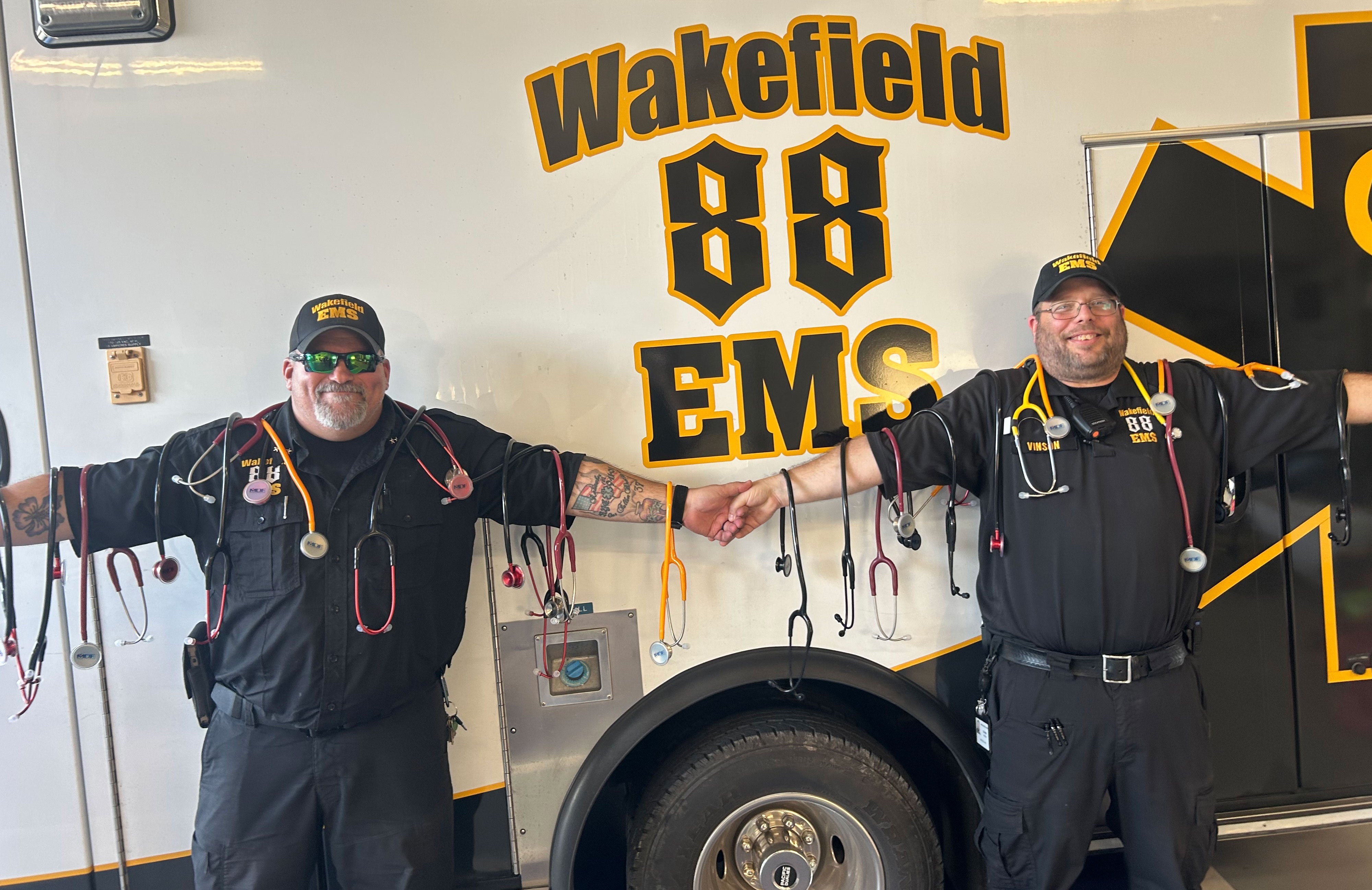
Wakefield EMS
Ready for every call and every patient. See how Wakefield EMS is strengthening emergency care across southern Lancaster County with a commitment to clinical excellence, pediatric readiness, and community service.
Read more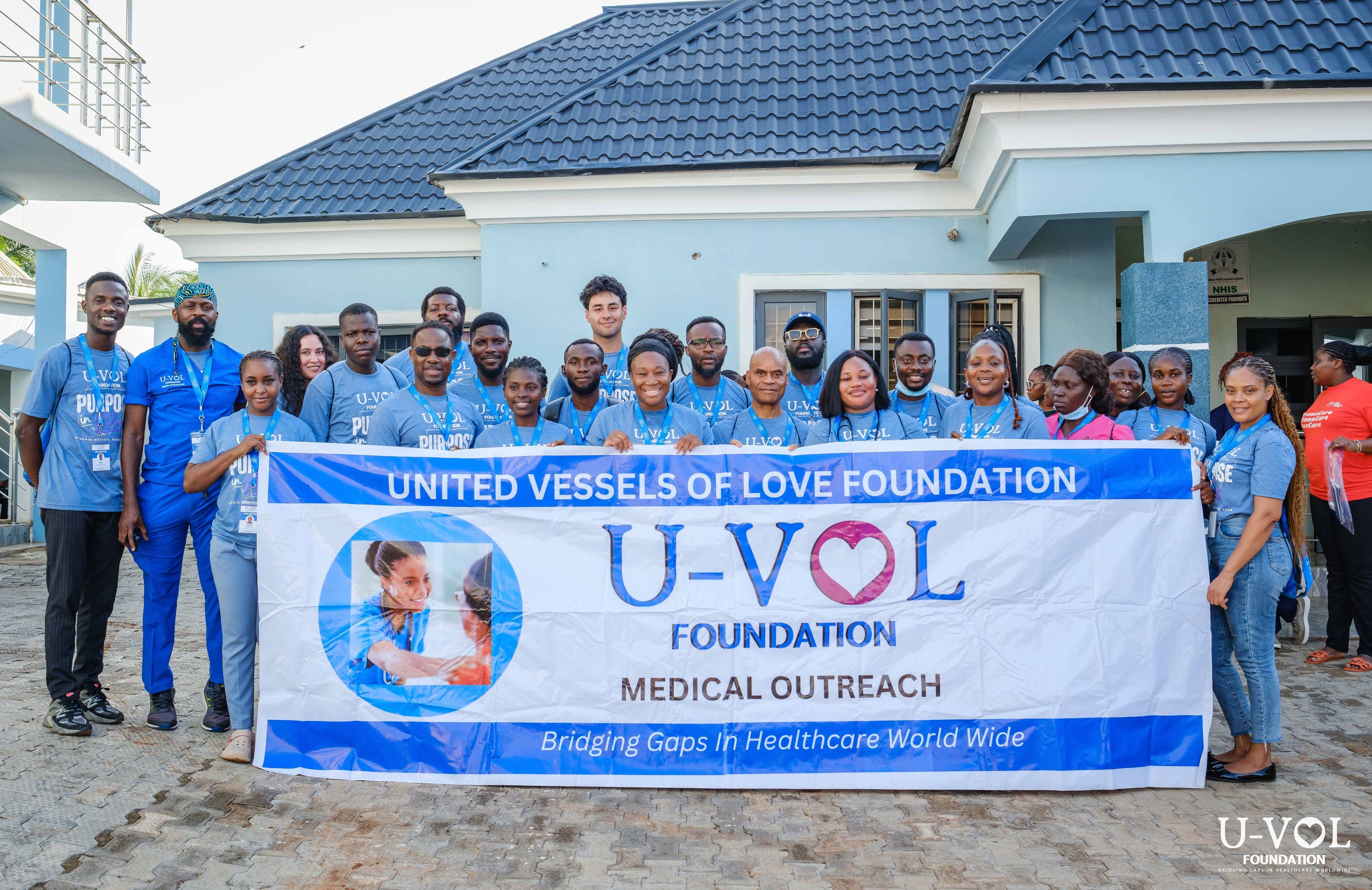
U-VOL Foundation
A medical mission can change lives but its impact can reach even further. See how U-VOL Foundation is combining direct patient care with education and local capacity building to create lasting change in Nigeria.
Read more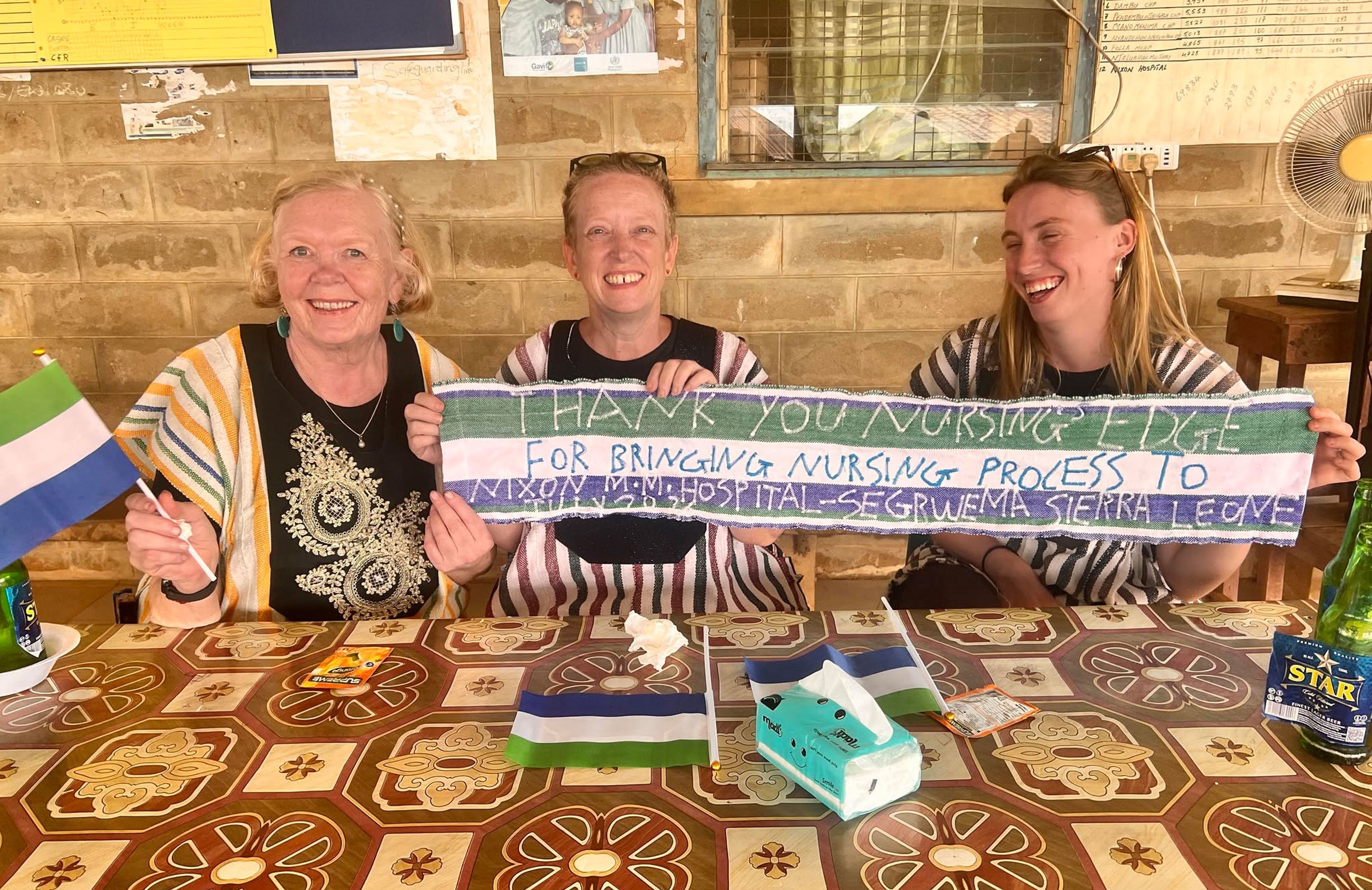
Nursing's Edge
When nurses teach nurses, knowledge travels. Nursing’s Edge is helping strengthen bedside care in Sierra Leone by investing in the nurses and educators who will carry that knowledge forward.
Read more