

CRAFTING WELLNESS STORY
Caring Until It Hurts: Trauma Work and the Line Between Service and Self
In this podcast episode we sat down with forensic nurse Leah for a raw and deeply human conversation about what it means to witness trauma day after day—and how that weight can slowly change you. Leah opens up about caring for survivors of sexual assault and human trafficking, the emotional toll of holding other people’s pain, and the silent burnout that often follows those in trauma-heavy specialties. We talk about secondary trauma, compassion fatigue, and the moment she realized that a role rooted in purpose had begun to cost her mental health. This episode is not just about forensic nursing, it’s about boundaries, grief, resilience, and the courage it takes to step away when caring for others starts to mean losing yourself. A powerful reminder that choosing your own well-being should always come first.
TRANSCRIPT
Brooke Smith
Hi everyone. Welcome to MDF instruments Crafting Wellness Podcast. We have an amazing guest, Leah, and she's a Forensic Nurse.
Leah Helmbrecht
Yes, my name is Leah Holm Brooke to I am. I've been a nurse for 16 years and have done so many different specialties. Most recently, I've been
working as a forensic nurse examiner. Actually, recently left the field of forensic nursing to start my new position working in forensic nursing
research. So I'm very excited to get started in that.
Brooke Smith
I don't think we've ever had anyone on the podcast who does forensic nursing, but I kind of want to start a little bit more at the beginning. I
know you've been a nurse for 16 years. I know you're in Denver now, what your nursing career has kind of looked like thus far.
Leah Helmbrecht
I started off on the floor working as an ortho trauma nurse, and after one year and lasted one year bedside, I went to the operating room and all
the patients were asleep. So it was great. I did that for about 11 years. And seven and a half of those years, I did a travel operating room
nurse, and then I actually left the field for about five months. I thought I wanted to go into working as a travel nurse recruiter, and it was
just really bad timing, because that was February 2020, I decided to go back to nursing because I was feeling kind of guilty not using my nursing
license. And I found a job working remote at a nurse advice line. And while I was there, we were getting so many calls for sex assault and
domestic violence, and I really didn't know too much about it. Found an online self paced program through the University of Colorado, sane SAFE
program, and I found it to be so interesting, and I wanted to learn more, and I continued on to their in person clinicals, and once I finished
that, I saw job posting at my hospital for a sane or forensic nurse examiner, and I applied for that. So I worked as a forensic nurse examiner for
about four years, a little over four years, and also worked as a admissions discharge nurse for extra work. And so now, just recently, I did leave
the forensic nursing field just for mental health purposes, taking a break, and hopefully I'll go back when I'm ready. And currently, I am still
working as an admissions discharge nurse for the acute care floors, and I'm starting a new position, as in forensic nursing research to help find
best practices for sex assault patients in their healing. Also working, as just started, working at a med spa, doing GLP one and IV hydration to
see patients that are actually excited to be there and and it's not like a traumatic thing. So huge change in nursing fields that I've worked in.
I'm really excited to see where, you know, where my nursing career takes me.
Brooke Smith
That's something I think we talk a lot about, which is in nursing, there are so many avenues you can go on. You can change your specialty. You can
go into different fields. Your Career can evolve with you as you evolve as a person. I think that's that's really special to kind of hear that
you're a nurse who's done that, you know, you've kind of run the gamut across doing all sorts of different things. And then when it comes time to,
like, take care of your mental health, you can still use your nursing degree and your nursing license to go and still be a nurse, maybe just on a
less stressful, pressurized position until maybe you're ready to go back to something else. And if you are great, and if you aren't, then great
too. That's something really incredible about nursing. There's just so many careers in life where once you're in it, you know, people get stuck
doing the same thing for 40-50, years. Did you know whole life you wanted to be a nurse? What inspired that?
Leah Helmbrecht
No, I actually, before I started nursing school, I actually didn't know what nurses did. I'm not gonna lie. I My dad was a doctor, and he would
take me to do rounds with him on his patients when I was really little. Whenever an emergency would come up, he would sit me at the nurses station
with some of the nurses, and they would play games with me and give me candy. And I, honest to God, thought that's what nurses did for the longest
time. So when I went into college, I actually didn't know what I wanted to do, and I hopped around to some different majors, and I when I was
doing my pre reqs, I actually had, there was a nurse that was coming back to get her BSN, and had to retake some, you know, some credits. So I was
talking to her because I felt a little bit lost, and she's like, You should think about nursing. And so when I talked to my dad about, I mean, it
was honestly a job where you. You know, it was like, pretty stable. You'll always get a job right out of college and and then also, when she said,
Well, you can work three days a week. Also, I was like, that sounds great to me. So I switched my major to nursing, so it wasn't something that
was always, like, on my mind, or always, you know, like, Oh, I know I want to be a nurse. I kind of just fell into it. And honestly, when I left
nursing to do the recruiting job, I kind of realized that nursing is what I want to do. And I honestly felt sad not saying that. Yeah, I'm a
nurse. You know, when I when I had left the field, so I think definitely I don't know what else I would have done, and I'm really lucky to have
found this field.
Brooke Smith
What do you think is the thing you love most about nursing? Is it? No, the patient interaction, being able to be a support system during their
most difficult moments. Is it watching them heal? What exactly is it that you love most about your job?
Leah Helmbrecht
I used to say, you know, the reason I wanted to be a nurse was to help people and and you know that getting to see and and do that, and over the
years, my idea of what that even means has changed so much, and now my favorite part of nursing is being able to advocate for patients and making
sure that their voices are heard and making sure that they're given all of the information needed for them to make educated decisions about their
own health care, and then supporting them in whatever decisions they do make, even if it's something different than what I would choose for
myself. And I think sometimes we forget about that in health care, because we're like, No, this is this. Other choice is so much better for you.
But that's not always the case. That's not always what would be most helpful to patients in the long run, as far as, like, their mental health.
Leah Helmbrecht
And so I think that's, that's what I love most of all, is being able to uplift these patients, to give them, basically, patient autonomy in making
their own decisions.
Brooke Smith
Absolutely, it's really important to have an advocate. When you're in a position where you need help. It's great to have someone in your corner
that you know really cares and is fighting for you, and not just fighting for you for what they want, but fighting for what you want. I think
that's it's really, really important. I want to get very real for a minute, because I know that you have struggled with some burnout. I know that
there has been a lot of difficult elements to your job. Can we talk a little bit about the opposite of that, like, what is the hardest part about
nursing? And it doesn't have to be specific to forensic nursing, but it can, but just like the most difficult part for you about nursing, which
is, you know, maybe causing you to change your career path,
Leah Helmbrecht
yeah, I think, I think the hardest part of nursing that people don't even realize is not necessarily taking care of the patients or seeing a hurt
patient, it's the system as a whole. I think here, our healthcare system is extremely broken, and you can see things that would be so helpful to
patients that the system like, as far as whether it's the hospital rules or insurance companies, or the lack of social support outside of the
hospital. You know, sending a patient out for my discharge job, knowing that they don't have the resources and they're probably just going to end
back up at the hospital can be really frustrating and really disheartening, because you always want to when you're helping someone and and you
want to make sure they have that, that not only that autonomy and self determination, which is essentially hope, right? Hope that things will get
better with their health, the hope that things will get better. At home, we see so often that we can't even provide patients with the bare minimum
basics to get them to have that hope, and they lose that hope in in themselves, in their health, and I think that's what's really hard, is this
broken system that is basically created not to help patients, and trying to navigate that, and just seeing the disappointment in patients' faces
when you come to them and say that you don't have those resources for them, or even. Worse when you tell them that you don't have the resources,
and they just expected it like they knew that it was going to happen. So I think that's, that's where a lot of burnout comes from, because you're
trying so hard to help patients, and the system is just kind of knocking you back every time.
Brooke Smith
Yeah, that seems like a really, really steep mountain to try to climb. I mean, you know, there's a lot of talk about nurse burnout constantly and
how we can support our nurses. But I mean, having to change an entire system within itself is quite the task, and that, you know, a pizza party
isn't gonna cut it. Do you know a thank you nurse for everything you're doing for us is not going to cut it like it sounds like, on the
foundational level, there needs to be some big changes to actually help support nurses who are supporting patients, to help all that work not just
be futile, because I feel like it's the equivalent of like catching a bad guy and letting him spend the night in jail and then just releasing him
and he goes and he goes and hurts someone else again, he or she, whatever. So you get my point, but it kind of that I can understand how that
would feel really disheartening, because there's only so much you can do as a single nurse and in a system that seems to be broken, it's like, how
do you fix it? How do you change it? Like, how do people come together? Because there is awareness on burnout. People are very aware that nurses
are burnt out at the bedside, especially. But it's kind of like, oh, Nurse burnout, you know, and us as MDF, like, I definitely am very aware of
it. I try to understand it. I try to see, like, what resources like, how can we actually help our nurses? And I don't have an answer, but I'd love
to hear from you, if there is something that you think like that people could do besides raising awareness on how we can actually help support our
nurses in a real way, as opposed to just words.
Leah Helmbrecht
I think it really does come down to leadership, people, people in higher positions of power, because there are nurses that have such great ideas
on how we can enact change. You know, I I try to enact change so much as a forensic nurse in doing just even like the simplest things, like, let's
say, putting I put together a poster that would go in all of the bathroom stalls in our hospital that had human trafficking and domestic violence
resources on him, on them, and because that's the only place that somebody in that position can be alone, away from their abuser. It took a year
over, like, a year and a half to get that completed, because there were so many barriers. Like, well, your poster, from a marketing standpoint,
isn't agreeable to the eye. There's too much wording on it, you know, and then it's just not at the top of people's priorities. Some some things,
you know, it's especially forensic nursing. And some of the topics, you know, the topics that we talk about, are not glamorous topics. So whether
it's leadership, stepping up and saying, like, Yes, this is something that's important, and we're going to do this because even if it makes a
difference in one patient, that is worth it, and then, you know, and even, like other companies, other brands outside of the hospital, I have
worked, reached out to so many saying, Hey, can we run, can we run some educational or awareness campaigns? And I've just been turned down time
and time again to where I'm just, you know, it's like, you're, you're expecting it, because it isn't a glamorous topic. So I think when you have
somebody who's very passionate about a topic, and they're reaching out, and they're wanting to put their own time into trying to change the system
and fix the system, you know, really listening to them and and having to, you know, say, Well, this is an important topic, even if it's Not
something that is glamorized and that will get a lot of clicks and get a lot of views, and potentially losing, you know, followers over it, or,
you know, within the hospital, saying, Yeah, I'm going to get pushback as leadership. But you know what, I'm going to I'm going to put pressure to
get this done, because it is important, and this was a good idea. So I think it shouldn't be left. I think people who people who are not in
leadership positions, don't give up. You know, if it's something that you think is really important and. Keep pushing, and eventually it will get
done. But just know that the process is very slow, and if you are in a position of power like just really listen, listen to what your nurses are
saying, and it could potentially make a huge difference, not only in morale but but also in in patient care.
Brooke Smith
Yeah, and I think you've done a really good job with off the clock nursing. Your Instagram, you do seem to have found a community. Because you
can't be the only nurse. You can't be the only medical professional who is seeing this, who cares. Because I know healthcare in general, I feel
like, as I interview more and more people, I only it only confirms to me, like how empathetic and good hearted healthcare workers are. And I think
it draws a certain kind of person who wants to give back, who sacrifices their own health, their own time, their own holidays, their own
everything. They're weird hours to be in the service of others. So I think it definitely takes a certain kind of heart. And so I know, I know you
can't be the only one, and I know you've built such a community with your social media. Do you think that that has really, like, helped other
nurses and yourself just kind of feel less alone, like you're not out there, just like fighting this monster all by yourself?
Leah Helmbrecht
Yeah, I've had other nurses, especially other Forensic Nurses, reach out to me. And, you know, we kind of commiserate together all of the things
that we've tried to change, and we do the best that we can. You know, obviously, just for those who don't know what a forensic nurse is, I work
with patients of sexual who have experienced sexual assault, domestic violence and human sex trafficking in doing evidence collection like rape
kits and evidence for domestic violence strangulation cases and so, yeah, those are not, those are not beautiful topics to talk about that people
are like, Oh, let me hear more about that, because sometimes it can be traumatizing and triggering to even hear about. And I think a lot of people
like to kind of live in the shadows of believing that it doesn't really happen very often, that most people are lying about it when it does come
up. But the fact is, is the statistics are on it are, are very shocking. Everybody knows somebody who has experienced it, and whether, whether
they know it or not. So, yeah, I think it is really important to use whatever platform you have to try and spread awareness. And I'm I'm really
happy that when I do get a message saying that I've encouraged somebody to go into the field, or to take one of the the courses to learn more
about it, or I've had nurses reach out to me and say, Hey, this was the scenario at my hospital that I just had, and it didn't sit with me. Well,
you know, is there something that I could have done better for this patient in this situation? And you know, it's tough because laws are different
and resources are different in every state, but, you know, connecting them with those resources, or saying, hey, you know this is, you know, at
basics, at baseline, even just saying something like, I believe you, and this wasn't your fault, and I'm so sorry for what that person did to you
can make all the difference to that patient. So, yeah, I think using your platform. I had to decide when I was starting this platform or deciding
to change my platform, because I was growing pretty consistently when I was talking about travel nursing and operating room nursing. And then I
switched to this field, and I completely switched my content and and you know that that's something that I had to to kind of just sit with and
say, like, Okay, I'm losing all of these people who were previously following me, because I'm talking about some pretty hard stuff and and so if
you are a content creator, you know, I think that it does Take a lot of courage to step up and talk about the things that could cost you, cost you
followers or likes or views or whatever, because that's what you stand for.
Brooke Smith
So, yeah, I mean, I think you there's so many I have chills, like there's so many things to kind of unpack here. But firstly, I just want to say
that, I mean, what you do is incredibly difficult. I never really knew about forensic nursing, and I not that I never thought about it, because,
you know, on TV, you know, law and order or SUV, you see that these things happen, and you see kind of how they have to handle their rape kits and
all of these things going on. But a lot of people don't realize that. I'm not sure if the statistic is true, true now, but like, one in four
people are sexually assaulted, and I think sweeping it under the rug, acting like it doesn't happen. Of when you go through something like that,
how it changes you. You are never going to be the same person as you were before something like that happens to you. And I think it's really
important what you said, how you say, I believe you. I'm so sorry this happened to you, and it's not your fault, because I think we as a society
tend to kind of blow off and sweep under the rug things that are uncomfortable. So sex trafficking, rape, sexual assault, pedophilia. The thing is
that we can't fight what we don't acknowledge. How are we supposed to fight against it? That's really hard. We really need everybody to step up
and acknowledge this
Leah Helmbrecht
Think that sexual assault happens. Somebody is sexually assaulted in the US every 68 seconds and every nine minutes that person has a child. So
it's happening very often, and it is one in four women will experience sexual sex assault during their lifetime. Also, depending on what study you
look at, it's one in six men. One in six to 10 men will also experience sex assault during their lifetime. So it's happening to everyone. Like
when I was working as a SANE nurse for the last four years, I've had patients of all genders, all ages, all you know, sexual orientations. I've
had transgender patients. Nobody is immune to this.
Brooke Smith
I did a movie called wake up, and it was about human trafficking, and something that I learned that I did not know was that 70% of human
trafficking victims are foster kids. They were in the foster system, so there is a preying on people who already have gone through too much, who
don't have supportive families, who don't have somewhere to go, who haven't been maybe top boundaries as well, haven't been shown that love and
support. And we have to do better. There is something very sick and twisted about what is going on, and I don't know where it comes from. I don't
know why it happens, but we have to start having that conversation.
Leah Helmbrecht
I think where we need to start is early education. So really teaching what consent is, teaching who a safe adult is, versus non safe adult, what
is an abuse? What is abusive? I What are abusive actions and and then, what do you do when someone does hurt you? And not only teaching our kids
that, but teaching parents and adults that, when a kid does come to you and tells you that somebody did this to them, that you actually believe
them. Because I think again, it's so much easier in society for us to be like, No, that doesn't really happen. Kids just make stuff up, and they
lie a lot, and when you do that, the first time that a kid comes to you, they're not ever going to trust you again. So you're breaking that trust
of like, Hey, you told me to come to you, or you were my safe adult, and I came to you as my safe adult, and you didn't believe me. So now I don't
have anyone else to go to, and they're even more vulnerable. So I actually helped create an online educational series called Walking wise that's
available, available to anybody, and it's different courses that you can choose from. So if you want to sit and watch it with your child, there's,
like, animated things, animated videos about like, this is what consent is. This is what you do. And it's, it's basically an online educational
system to help adults have candid conversations with kids about human sex trafficking. And because when you really look at it like the average, we
recommend that it starts. You start at age 11. I mean, you start talking about consent and your your body and body boundaries. As soon as a kid
knows what their nose is, what their mouth is, if you can point to those, they should start learning about their body. But as far as learning
about human sex trafficking, and we recommend starting this at age 11, because the average age that children are pushed into trafficking is 12 to
14 years old. So and then, you know, and then just changing, we as a society, just need to change the way that we look at at these kids and
because once they turn 18, we've normalized trafficking. And we just call them prostitutes so and then we say, well, if it's so bad, then why
don't you just leave? You can just get out of it. You know, they want to be in this. And it's the fact is, is that a lot of them start in
trafficking as children, and then they don't know anything different. They've never been around somebody who is a safe adult, or to teach them
that there's any other kind of way of life. They've been lost in the system. They've been failed by every single adult that's ever been there
that's supposed to be protecting them and and so then they end up in this life of trafficking. We call them prostitutes, and then when they get
arrested for solicitation, and they're not going to turn on their pimp, because they rely on their pimp for everything, like food, clothing,
shelter, living, they end up going to prison, to start With early education. We need to change a lot within our own society on how we how we view
people in these situations.
Brooke Smith
Yeah, and something that I learned as well is, because I'm going to just reference the movie one more time, because it there was, there's a girl
who was in college, and it's a true story. She went to, I think it was UCLA. It was one of the UC schools in California. She was, like, 19 years
old, and she was approached on college campus by a man who was dressed in a suit and had business cards. And he approached her, and he said, Hey,
have you thought about modeling, like you're really beautiful? And she's like, ah, you know, she takes the card. And then there's other girls on
campus that he had also done that too, and they all had successful shoots. He got them jobs, real modeling jobs. They would go, they'd fill out
their w9 or whatever, they would get paid, and they would move on. So she trusted it. And so he got her, like, a couple modeling jobs, they were
real, and she filled out all her information on there, and the next thing you know, he's threatening her, because, guess what? He has her parents
address, he has her social security number, he has all the information he could possibly need to control her, and she's so young that she doesn't
know any better. She he threatens her family. He's like, I'm watching your family right now. Like, blah, blah, blah. Like you will do what I tell
you to do. She was trafficked for an entire year, not even in the state of California, and she would call home, and her parents had no idea. She
was saved by police, and then she had to go and tell her parents what had happened to her, and she came from a very, um, cultural family where,
you know, that kind of thing is very, very shame, shameful. And so she remembers, she told her parents, you know, she had to, and then she went to
bed, and her parents didn't say anything. They kind of just like looked at her, and she thought that they were super disappointed in her, and she
blamed herself. The next day, she, like, wrote a suicide note. She was going to kill herself. She had so much shame for what she'd gone through.
And luckily, her dad came into her room earlier in the morning before anything bad, really bad, happened, and they cried, and it wasn't her
parents were shame, ashamed of her. They just didn't know what to say. They were so heartbroken for what she had been through for that entire year
that they just needed to, like, get their thoughts. And it's just, it's, like, really heartbreaking, and also, at the same time, like, really
beautiful to show that like love can, like, conquer all. Like Love can, you know, love can heal and with the right support and the right people in
your corner, like even, no matter what you go through in your life, you can, I think, come out on the other side. It doesn't just happen to, you
know, random people, like she was in college.
Leah Helmbrecht
It could be anyone, and really, assailants can be anyone too. It could be your neighbor. It could be, you know, like domestic violence. I feel
like so many times on the news that it was like, you know, when it's murder, murder suicide. So like, a in a intimate partner violence situation,
you know, a lot of people are like, Well, why don't they just leave? It's if the abuse is so bad. And what a lot of people don't realize is 70%
realize is 70% of intimate partner homicides occur after the person has left the abusive relationship. So that's the most dangerous time for
somebody, is when they decide to leave the relationship, because it's all about power and control, and when that abuser is losing that power and
control, they feel like they have nothing else to lose. And so when I see on the news, that's like, murder, murder suicide at this home, suspected
domestic violence, and then they're interviewing the neighbor, and they're like, had no idea they were so nice. And you know all of this, it's.
Like, yeah, a lot of people have no idea what's going on in these households, because it's it's kept so hush hush because it is such a shameful
and embarrassing situation for the the the victim, and also, there's a lot of fear surrounding it. You know, you look at the stats in the US, the
number one cause of homelessness for women and children is domestic violence, because when you look at the look at the entire scenario, they are
isolating them so they're making sure they don't have a job, that they don't have access to finances, they don't have a car. Some of them, they
don't even have cell phones. They have no way of contacting anybody else. And when you're in the situation, it's almost like a Stockholm
situation, because it didn't start off as abusive. It didn't start off that way. It's it's like love bombing, right? It's like, you meet this
person who's this? Just the love of your life. And you just like, can't imagine, this is such a fairy tale whirlwind. And then all of a sudden,
you're, you're in the basement, right? It's, it's like you're trapped, almost you feel trapped, and because, if you leave, you know, even when
we're talking about, let's say kids are involved now, and you're a lot of courts believe that kids should have both parents, even if there is
domestic violence from one parent to another, they believe that the child still needs both parents. And so, you know, then you're kind of stuck
there, like, you're going to give your kid up to this person who is an abuser, you know, like, what if they start abusing your child? You just,
you don't know. And so that it's so complicated. It's extremely complex. The emotions that are that go along with it are complex in themselves,
let alone, you know, the like, what, all everything that goes into it, from, you know, health standpoint, mentally to physically, to society,
level of resources. So I think, yeah, it's, it's really difficult to to kind of pinpoint, you know, where do we start? And also just knowing,
like, the kind of, the fear that it literally could be anybody,
Brooke Smith
yeah, and I think, too for you as you know, as this is your job, you know, there's the whole not being believed situation, and then there's also,
on top of that, the fear, I think that's not something that people really fully understand, but I think that's why a lot of people don't leave,
because the abuser has made the victim feel threatened in some way, whether it's punching holes in the wall, whether it's grabbing them, whether
it's actually physically harming them as well, like before it Even escalates that far, you would think like, Okay, you you know, one whole punch
in the wall, you should probably get out that next whole, you know, is going to be your face. But it just, it doesn't work like that, because you
want to not upset the status quo of the household, and they're walking on eggshells trying not to upset that person. It takes a lot of planning to
get out and a lot of courage. Because I think what you spoke on about, you know, a lot of the victims, it's after they've left. I think the
leaving is the scariest part for a lot of victims,
Leah Helmbrecht
but it's also not completely fear based. I mean, there is that fear factor, but it's also usually, the abuse doesn't start right away. Usually it
can pop up, like years later. And you've built this relationship and this life with somebody, and you know that they can be a really good person
because they were like that at the beginning of the relationship. And so when somebody, let's say an abuser punches a hole in the wall, and then
they come back with flowers, and they say, I'm so sorry. It'll never happen again. You know, you want to believe that, you want to believe that,
but then it keeps happening, and it keeps escalating, and soon you're just like, well, but they come back and they say that they're sorry, and
then they can be good. It's not like they're bad every single day. They can be good for months. They could, you know, you, and to the point where
they're like, yeah, they have changed. They have become this good person. The issue is that when, well as a personal opinion, all of these abusers
are narcissists. They have some level of narcissism. You can't tell me that someone says that I love you, and then harms another person and then
keeps doing that cycle like that's a level of narcissism. And when you have a narcissist, and you give them even just like a little bit of leeway,
they tend to push the. Bar, and they want to see how far they can go. So let's say somebody punches a wall, and then you forgive them for that.
They know that, okay, there's the line is not crossed there. I still have more leeway to go. And so that's why things tend to keep escalating all
the way to the point of a lot of the times of strangulation, which people don't realize is so detrimental to somebody's health when you're cutting
off that air circulation. And not only that, but with narcissism, they believe that one that they're never wrong, that anything that they do is
justified, but also that they're kind of playing God like I choose whether you live or die. If I let go of your neck, then you live, if I don't,
then you die. And it only with strangulation. Only takes about five to 10 seconds of continuous pressure on the neck for someone to lose
consciousness, and then from a minute and a half upwards, to actually kill somebody with strangulation. And then you think about people who are
strangled over and over and over again, cutting off that oxygen circulation to their brain. It immediately hits the hippocampus, which is your
memory parts of the brain, part of the brain, and so that over a long period of time, can cause short term memory loss, people who aren't able to
hold on to instructions, people who aren't able to really make those decisions, or have a really hard time making decisions. And then it also
makes the amygdala, which is where like your emotional memory of the brain starts to swell. So people who have a lot of injury there tend to not
be able to regulate their emotions very much and and so then it does, you know, on more physical level, becomes a really hard time for them to
leave shit because they're not able to kind of regulate those emotions. Their encoding of their memories are really damaged from their
hippocampus. And so they're like, Did that really happen? Is that really how, how that went down? And they start to question themselves a lot too.
It's extremely complex.
Brooke Smith
As as a forensic nurse, going through and seeing all the things that you see. Can you talk a little bit about what that experience has been like,
how it's kind of changed you as a person your perspective? Talk a little bit about like how you are taking care of yourself and your own mental
health when you are surrounded by so much darkness all the time? Because I'm sure that there are people listening who maybe want to get into
forensic nursing, but are maybe scared of of that element, and just how you are kind of like taking care of yourself through that job and and how
you kind of survived even doing it for four or five years.
Leah Helmbrecht
Yeah, I think that. I think we definitely need more people to go into it. Just because there is such a high turnover in this field, there are
definitely people that need to take time off and then they go back, like I'm hoping, maybe a year and some therapy and I can figure out how to
cope with the things that I've seen and and deal with the system as a whole. For me, the reason I needed to quit, when I knew I needed to quit,
and how it's kind of affected me, is realizing when I was self isolating and not wanting to go out, that where I kind of the Depression hit me,
that I didn't even realize it that I was sleeping a lot over eating, I probably gained like, 40 pounds working as a forensic nurse over the last
four years, and just from the stress eating, not having any desire to date, you know, I'm turning 40 next month, and I'm single. I've never been
married. I have been single for four years because I see, like, the worst of the worst of men, and also really scary things, as far as like,
people who are experienced sex assault on from dating apps, like just meeting up from people on dating apps, it's, it's really scary and and so
just like, sitting in my own home and not wanting to leave, you know, and I just felt like I was kind of spiraling, kind of near the end, I would
just have this like, huge feeling of anxiety on my chest where it's like, almost like, you can't breathe, and it would just like, randomly hit.
And I realized that this, these are all signs of PTSD, and so it's called vicarious trauma that we in healthcare can experience when we're seeing
trauma over. And over and over again. But I think even more so in as Forensic Nurses, we listen. We sit with the patients, we listen to every
single detail that was done to them, and then we look them head to toe, and we're doing a physical assessment, and we can see a sometimes injury,
like somebody saying, Oh, he whipped me with the belt. And then you lift up their shirt, and they have these large welts on them. And it's really
scary to think that not only does another human being do this to another human being purposefully, this wasn't a mistake. There was no accident
here, but it's also somebody that they trusted most often. You know, even sex assault, like, I want to say it's like 90% of people who are
sexually assaulted are assaulted by somebody that they know. And so it's, it is really scary to to want to get out and and want to, you know, go
out and have fun knowing that at any point, you know, how many patients I had that had gone out to bars with friends and then were found in back
alleys and have no memory of what happened because they were drugged. And then seeing that, okay. Well, if that were to happen to me, then I would
just, you know, do what society tells us to do, come forward, make a report, and then having to watch the system that you come forward, not only
are you questioned on like, Well, why? Why were you out so late? Why did you How much did you have to drink? Why, you know, why did you do this?
Like you're being blamed for being sexually assaulted, but also knowing that the the kits, the rape kits, in a lot of states and a lot of places
can take sometimes years to come back. You know, I I've been subpoenaed. I have a case coming up that I was subpoenaed for, that I did in 2022
it's 2025 you know, I did in February, 2022 and I'm like, Why does it take so long, you know? And in the meantime, you've got victims that are
trying to heal from this trauma and and then just randomly are called up and like, hey, you know, you know, just re traumatized because it's being
brought up again. So I think that, yeah, when I realized I needed to take a step back and take a break from this career, was when I was self
isolating, having terrible anxiety. I would have nightmares of of sexual assault, so much to where I'd like, wake up in a sweat when I had a
shift. I was like, dreading it almost, and I didn't even realize it. And then also things that wouldn't typically send me over the edge. You know,
I feel like I'm a pretty even keeled person, like, personality wise, but things would really bother me to the point where I was, like, just so
frustrated and angry, and I just noticed I was becoming this, like, really shell of a person that I was just like, didn't want to talk to people,
didn't want to deal with anybody. And then when somebody would do something that's like something really small, you know, in the whole scheme of
it, of things like, you didn't restock the gloves, and now I gotta go restock the gloves. You know, it's like something so frustrating, or
something so little would, like, make me really angry, and I'm like, at there came a point where I had to be like, Am I really mad about this, or
is there something else going on? You know, because that's a really weird thing. Like, just go get another box of gloves. It's not that big of a
deal. And so I kind of, yeah, I had to kind of step back and reassess how I was doing. And honestly, it's been a month since I've done an exam
since I quit. It's almost like I feel lighter. I am sleeping better. I am wanting to go out and and be more social, and yeah, and I can tell the
difference just overall in my personality. So I think that's that's kind of where I realized that I needed a change.
Brooke Smith
There's a couple things I want to say so you talk about how long it was taking to get the rape kits back, and I'm just thinking about that. 2222
to 2025 it's over three years. And if that person hasn't been caught because the rape kit hasn't come back, then how many other people are they
sexually assaulting while these, while these rape kits are coming back? That's a really. Scary thought, and then also that's the issue with
Leah Helmbrecht
the case that I'm coming up on. The reason that it's taken so long is the first time I got the subpoena, there were three victims on it, and then
it got pushed to a later date because another victim was found, and then I got pushed again because another victim was found. Now we're up to,
like, six victims on the subpoena and and so, like, how, yeah, how long did it take for those for that DNA to come back to get caught?
Brooke Smith
How many other victims are there in the meantime, while this is trying to get through court, I also you talked about, you know, now that you've
had a little bit of a break a month, which isn't even actually that much time, considering you know how much you have done in the four years that
you're forensic nursing, and you feel lighter, you're feeling better, you know you're not having those nightmares as much. And that's all
wonderful. You have to take care of yourself. And then the other side of the coin is because they can tell you're such a good person and you're
such a great nurse and such a caring person, that, because this is it makes me very mad at the system, because the system is so broken and you're
not supported great nurses like you have to leave positions that you're really needed it, because we need those kind nurses there, like in
especially in forensic nursing, like we need people who actually care, who really want to make a difference. And, you know, I'm so proud of you
for stepping back and saying, You know what, like I am, recognizing that I'm spiraling. I'm not the person that I know I can be and should be, and
like something's going on, I need a break, because a lot of people don't. They push that down so so far that they just become, they become the
shawl of the person, and then it affects their job. It affects their life. And I'm really proud of you for recognizing that first step, having the
you know, being brave and courageous enough to step away and understand that all that experience and all that knowledge you have isn't going
anywhere. It's still in your brain. And if it becomes time and appropriate and you feel like you want to go back and help in that way, it's always
going to be there for you. And I think that's really important for everyone listening, to understand that it's okay to take a break, like taking a
break is not failure. Taking a break is not quitting. Taking a break is taking a break. It's changing and evolving and listening to your body and
your heart and your mind, because, especially nurses, you guys, have to take care of yourself, because nobody else is doing it and and we need you
guys, and it's not an easy thing to do, to admit, hey, I'm struggling. My mental health is struggling right now, and it's a very human thing, and
not just in forensic nursing, but all kinds of nurses. I mean, when I my dad was in the ICU, those nurses, because he was there for almost two
months, they, you know, every three days it would be a new ICU nurse. But eventually, I kind of ran the gamut of all the nurses. And so eventually
they had my dad again, and had my dad again, and you build a rapport, and there's a care, a level of care there, and it when you when you lose a
patient, even though it wasn't your dad, it wasn't you, care and it affects you, and then you have to, like, go on with your day and go be go
nurse someone else. And there's just not a lot of support for nurses who are going through that. So I do love your social media, off the clock
nursing, you taking breaks, and I know that you you have a passion for traveling. That's why you were doing travel nursing. So I do want to talk a
little bit about why did you go into forensic nursing in the first place? Like, what was it about it that, because it is such a hard career and it
is so dark, what drew you to it in the first place?
Leah Helmbrecht
When I left nursing and I became a travel nurse recruiter, I I was not, I'm not good at marketing and selling. So I don't even know why I thought
that was going to be a good I think I just needed a change. But I honestly think that was something needed, because that was the first time that I
actually heard about what a SANE nurse was. One of the nurses that I did travel was an ER nurse, and on her resume it said sane a and which is a
certification you can get. And I didn't know what that was, so I was talking to her about it, and she was a pretty seasoned nurse that was
traveling and and I just she's really the one that first brought it to me, because it's not talked about when I was in nursing school, forensic
nursing wasn't talked about at all. Um, after that, when I went to work at the nurse advice line and just getting all of those calls, I'm kind of
a nerd to where, if I don't know about something, I want to learn more about it. So I was like, you know, I'm not really doing anything. Um.
Because of covid, and there's a free program. You can't beat that free. So the more I watched all these modules, it's like 64 hours worth of
modules. It was just really opened my eyes to not only the need for Forensic Nurses, but the need for education within the healthcare field,
because we, we really don't know much about it, so really, how I got into it was just purely out of curiosity and and then the more I learned
about it, the more I really wanted to do this, just because I felt like I, you know, I've had my own past histories, but I feel like I had the
capacity emotionally to do this job, which I know a lot of nurses Don't, a lot of people don't have the capacity. And I think that if I can do
something and make a difference somewhere within the nursing field, that I that's what I wanted to do. So that's, that's kind of how I got into
it, and and then the more I got into it, the deeper I got into into it to where it kind of just consumed my life, you know, whether I was working
or even on my own time, creating programs, putting out information on social media, Being part of associations, forensic nursing associations, and
trying to do research and getting published, it just, you know, kind of, I don't know, just became part of me. So I think that's, that's also what
was hard about leaving, was feeling like you're, you're losing a part of yourself that you worked so hard to build. Yeah, I think it was the right
decision to make. And, and just like I I tell my domestic violence patients like, you can love something so much and also know that it's toxic for
you and and you need to leave. So as of right now, I'm, I'm happy with my decision, and I'm still going to be doing research in this field, so I'm
not leaving completely, but it's a position where I don't have to dive into people's trauma, like listening to, you know, play by plays, of their
traumatic experiences, and I can still make a difference. So I kind of found, like, a healthy medium,
Brooke Smith
it sounds like it, and it's always there for you if you ever want to go back. So, you know, that's the great thing, is you can, you can just flow
and Ebb as you, as you decide, you know, as life goes on. Because, yeah, that's a that's a really tough, tough, tough job to have. I do want to
segue into a little bit more of a positive note, because I know that you love traveling, and I know, and I knew that that passion has now kind of
sparked you doing a little bit of a side gig, but more just to have people to travel with, and people who maybe are nervous about alone. And I
know you have a couple trips, I think you're going to you're going to Africa and somewhere to go see the monarch butterflies, I think in Mexico.
So yeah, can you just talk a little bit about your passion for traveling and how this is kind of like what you're doing here on the side to help
other people who are also passionate about traveling.
Leah Helmbrecht
I think we all need a break. So I'm always encouraging nurses, or really anybody, to use, use that PTO take a break. And I know that there are a
lot of nurses will go on medical mission trips. That is not what this is. I think that's amazing nurses that do that. But this is like, let's get
away and not think about the hospital, not think about anything that has to do with with medical and and it's kind of really, it's really cool.
Actually, I've kind of built a little community. I have a lot of repeat travelers, so it's almost like, hey, I'll see you for the next one, you
know. And it's like people that we all live in the US. I've had some people from outside of the country, like someone from Kuwait, a nurse from
Australia, joined me on one so it's it's open to anyone that wants to join. And I try and find places that aren't traveled to super often, just
because I feel like anybody can go to let's, I don't know. Let's say like Cancun, you know, anybody can can take a trip, I don't know. So I try to
do places that people might not feel comfortable traveling on their own. So I've done like Egypt and the. Galapagos and upcoming, I'm leaving next
month for Africa. We're not only doing safaris, but we're going to go to the west coast of Africa, to Zanzibar, and see the ocean out there. I
heard it has some of the most beautiful waters. And really, I love being able to see different cultures and different ways of life. You know, I
think that's what makes us really great here in the US, is that we are such mixed cultures and and especially in the hospital. You know, when you
meet somebody, you know the hospital's for everybody. So you're going to get patients from all over the world, whether they live here, they
immigrated here, or they're here, even just visiting, you know, I had some patients, some patients who were here just visiting family, and they
were from Germany, you know. And so I just think that, yeah, we need to be more open about going to places and and also, I feel like our media
just always wants to talk about how unsafe it is traveling to other other countries and and honestly, I feel like the US is not the safest country
either. So I say, if you are nervous about traveling by yourself. You want to experience other cultures. You want to experience seeing other parts
of the world. That's what my trips are for, and also, kind of building friendships. If you're by yourself, you don't want to go by yourself. There
are plenty of people that come on my group trips solo and then they end up meeting other solo travelers in my group. And I, I love seeing them
travel together afterwards. So like when we get back, and I, you know, I'm kind of scrolling through social media, and I see two people that
didn't know each other before that came on one of my trips, and now they're, they're taking a trip together somewhere and and so just kind of
building that community and that friendship. It's, yeah, it's been really great, awesome.
Brooke Smith
And how can people find that? How can they check out this traveling stuff?
Leah Helmbrecht
Yeah, so I have a link tree. I link tree is off the clock, nurse. You can also, I have links in my bios on my Tiktok, off the clock, nurse and
Tiktok, Instagram and Facebook. You just click on the link, and I'll have all of my trips there. I also have, if anybody is interested in doing
walking wise, I have the link for that. It's walking wise.com. If you want to check it out. And we're, we're trying to get CEUs attached to it for
CEUs and CMEs, for anybody that needs those continuing education units. And, yeah, I'm just always, if I'm working on something, I'm putting it on
that website. Awesome.
Brooke Smith
So we'll definitely link up below for everybody who's listening and watching off the clock nursing. And we'll, we'll put all the links in here as
well, so you can go check her out. Leah, I have a couple more questions for you before we finish off here. I do want to know if you could go back
and tell your younger self a piece of advice or something you wish you had known just a little little tip for for people. What would that? What
would that lesson or a piece of advice be?
Leah Helmbrecht
Yeah, um, you know, I think all of these experiences throughout life have really shaped the person I am and I'm I do feel like I am proud of the
person I've become. So without telling my younger self too much, because I think going through the hard things is necessary in order to shape who
you are, I would just tell myself that it's gonna be okay. Like, just keep going. One bad day doesn't mean an entire bad life. So, yeah, don't
give up. Keep going and you're gonna do great, really beautiful.
Brooke Smith
I love that. I That's something I'm kind of working on myself, is that it's not about getting it all right. It's not it's not about perfectionism.
It's just about consistency. It's just about showing up. It's just about like, one foot in front of the other. So sometimes when I'm struggling
and I don't know, like, how I'm going to get through something, I just remember, like, one step at a time, one task at a time, one thing at a
time. And then also, just like, it doesn't have to be perfect. We just have to, like, do something, do something for yourself. Like, if you're
struggling mentally, or you want to be better at something, you're trying to learn something, whatever it is, you just have to do a little bit,
just a little bit every day, even if it's, you know, I have this theory of, like, keep your room clean. You know, if you just like, let go and
just like, let your room get messy, then it's going to take you. Do a while to clean it up. But if every day you're like, Okay, for 10 minutes,
I'm going to start my clock, and for 10 minutes I'm going to get to this eventually it's going to be in order. And then if you just spend 10
minutes, so I really try to that's some advice that I like, too, is just like, do what you can, when you can, and don't. Don't judge yourself. You
know, if it's you have that expectation of it, oh, I should have done it better. I should have done it faster. I should have done it more.
Whatever it is. I think being kind to yourself and knowing like, Hey, you showed up for yourself today. You're acknowledging you need rest. That's
okay. What did your first stethoscope mean to you? So, you know, we talk a lot of people who get into nursing and they remember getting their
their first stethoscope when they got to nursing school or whatever, and just like that feeling of, Wow, I'm really doing this. Do you? Did you
have a moment when you, like, received your first stethoscope, your first, like, medical equipment? What did that mean to you?
Leah Helmbrecht
I think it meant a lot. Because my first stuff stethoscope was from my dad, and it's actually the stethoscope that I still use. It's 16 years old,
even more than that, because I got it when I started nursing school, so almost 20 years old. But I think that meant a lot to me, something I
didn't really talk about on here. I don't talk about a lot. So my dad was a doctor, and about 13 years ago, I lost him to suicide. But yeah, my
first stethoscope was from my dad, and it's, it's just been something that I've always held on to and use because I just remember him being so
proud when I graduated, too, when I got into nursing school and when I graduated and going into the medical field, just because I also have, I
have other siblings, and none of them are in medical, medical field. So I was always someone that, you know, that he could call, or I could call
him to talk about, talk about these things, and especially when I was starting in nursing, in the nursing field, calling him up and kind of
saying, like, hey, this happened today and and really understanding, like the struggles within the system, because, I mean, he had gone through it
too, you know, so much. And then also just holding on to it and remembering that to take care of my own mental health and to not let this job run
me because it will, it will take a part of you. It does take a part of you. Yeah, just remember that this is a job and and when you're struggling,
and if you were to die tomorrow, they would replace you in a second. So don't, don't give all of yourself to this job. You know, when you're
there, give all of yourself to your patients and do best by them. But this is not, this is not a career that should, that should that should run
you into the ground. You need to have your own life. You need to live your life. We're only here for so long, and we know in healthcare that each
day could be our last day. We just never know. And so, yeah, I keep it as a as a reminder, and it's, you know, I am excited to get my MDF
stethoscope, but this one will will always be my first one will always stay with me, and I'm never gonna get rid of it. So, yeah,
Brooke Smith
well, I mean, we're you can't compete with one your dad gave you me, and I think that has such a high sentimental value. And also I think I just
want to say that I know that he's so proud of you because you are taking care of yourself. You like I said earlier, you have been so brave and
courageous to say, hey, you know what time out? I gotta look out for myself. And no job. I don't care what your job is. Should take your life. You
know it shouldn't have a hold on you like that. And it's so easy to get caught up in in I have no time. I have no time. I gotta do this. It is and
this expectations we put on ourselves all the time to be better, to be better, to do well, to be more. And, you know, on one side of the coin,
that's great. It's great to want to improve yourself. It's great to want to, you know, be great at your job, and be the best you can be. And all
of those things are positive, but but very it's a very thin line, because it can also turn very negative very quickly if you don't give yourself
grace and love you. Appreciation and rest, and I'm just so proud of you for knowing that, like you needed that, and recognizing the signs of
depression, because I think we can all relate to that. It kind of just like creeps up on you, and before you know it, you're just covered in this
black cloud, and you don't know who you are anymore. You're like, I don't recognize myself, I don't even want to go do this, and I usually love
this, or I'm quick to anger, just all these signs that we could just justify and blow off, when really, if you take the time to look inward, you
realize, oh, hey, hey, you know it's not about someone didn't restock the gloves, like something else is going on with me, and you took the time
to reflect on that. And I encourage everyone listening, watching, to do the same, so that you can be the best version for yourself and for others.
But it's not an easy thing. And losing a dad. Care what age you are. I don't care how you lose your dad. I mean, I think losing your dad to
suicide is harder, just to be honest. Because obviously it's, it's not something that had to happen. And, you know, we're with my dad, it was
cancer, and it took him, and it's really hard. And I think no matter what age you are, it's losing your dad is. It's like, for me, it was like,
the worst thing that's ever happened to me, and probably ever will happen to me, because I think this their bond between a dad and his daughter is
very strong and very, you know, if you have a great dad, I think it's very and, you know, and I just know that like, in my opinion, love like that
knows no bounds. You know, it crosses universes. It crosses time. It cause, crosses everything and and just remind you that He wants you to be
happy, and he wants you to have the life that he dreamed for you. And so the best way to honor our dads is to be as happy and fulfilled as
possible. And you're doing that, you're taking care of yourself. And so I know that he's, he's so proud of you,
Leah Helmbrecht
yeah, well, I if he was still alive, just being somebody, he was a high risk OBGYN. And I saw my first C section when I was 16. He got me into the
or to see that, and I think that was like part of a birth control plan that he had to show me. But jokes on him. I'm almost 40 and don't have kids
because that was so terrible to watch. So I would, yeah, joke with him about that. Think it's, you know, I think, I hope that this didn't
discourage anyone from going into the field of forensic nursing, because we definitely need people. You know, we need people to tap us out. You
know, it's your turn do it. So if you have capacity, there are definitely people out there that need you, but this is such a field that is needed,
especially right now. And you know, if you have any questions about how to become a forensic nurse in your field, I know that both the AFN, which
is the Academy of Forensic nursing, and the iafn, which is the International Association of Forensic Nurses, both have a lot of really good
resources. So definitely check them out. And I'm always trying to continue to put information up on my social media, off the clock nurse, so you
are more than welcome to follow me there. I'm still going to be putting out educational information. I'm not going to stop. I think it's so
important that somebody, you know, somebody, is talking about this and putting making a safe place for people. So yeah, I, I hope that it
encourages people to go into this field, but also realize that it is a tough it is a tough field and and very, very challenging, and to just make
sure mentally you are prepared. I highly recommend having a therapist that a trauma based therapist that is that you're established with, just
because you'll see a lot of things, hear a lot of things that you'll need to kind of break down and talking, I know in healthcare, we talk a lot
with our friends about some things that we've seen, but trauma dumping on friends, especially with the number of people who have experienced sex
assault and domestic violence and you just don't know somebody's history, it could be really triggering and reach. Traumatizing to them. So always
making sure that you are being sensitive about that with your friends, because I know that they will want to help. They want to listen. But
sometimes it can be a lot for them too. So having an established therapist is probably like my number one piece of advice if you're deciding to go
into this field. Thank you
Brooke Smith
so much for being on our Crafting Wellness Podcast. It's been a pleasure having you. Leah, and please, we'll be linking all of her social media
handles, her website, everything, so you can go check her out and check out her traveling as well as the.
WELCOME TO THE NEW SCHOOL.
LET'S ROLL
BE THE CAUSE
This is our oath and we need you. The WORLD needs you. We need your heart, your mind, your skills, and your partnership


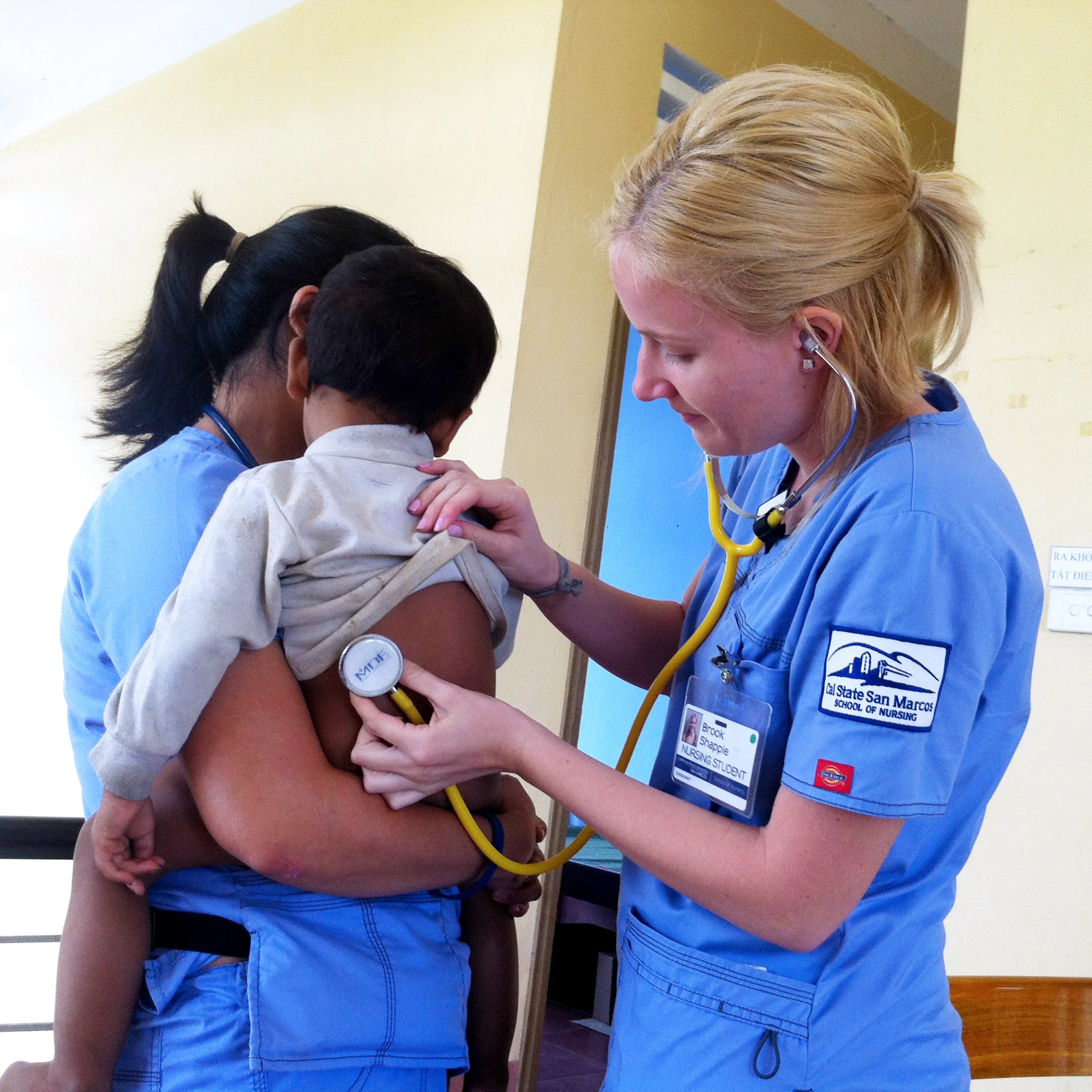


MORE CRAFTING WELLNESS STORIES
IN HONOR OF OUR WELLNESS HEROES
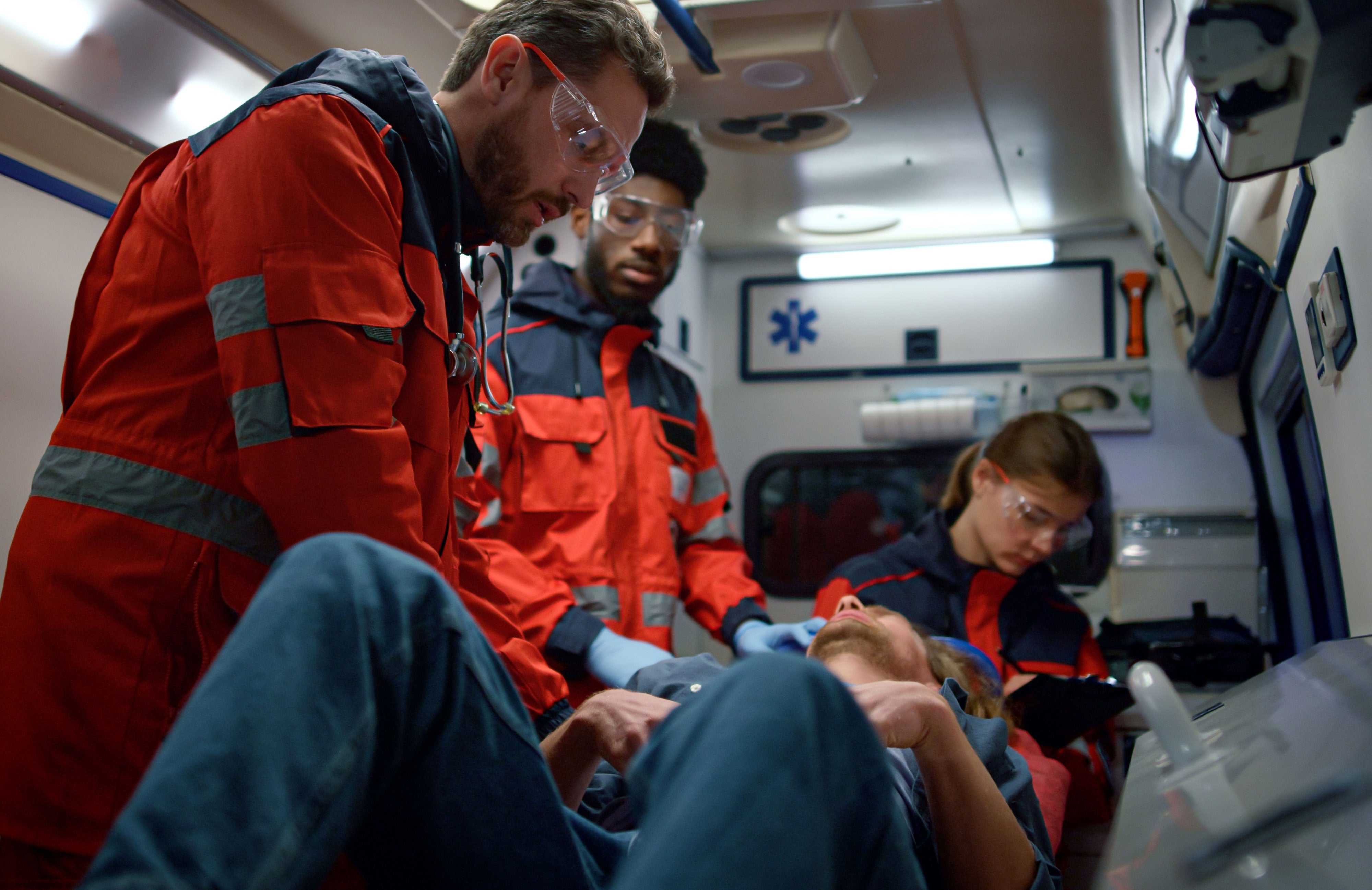
Wakefield EMS
Ready for every call and every patient. See how Wakefield EMS is strengthening emergency care across southern Lancaster County with a commitment to clinical excellence, pediatric readiness, and community service.
Read more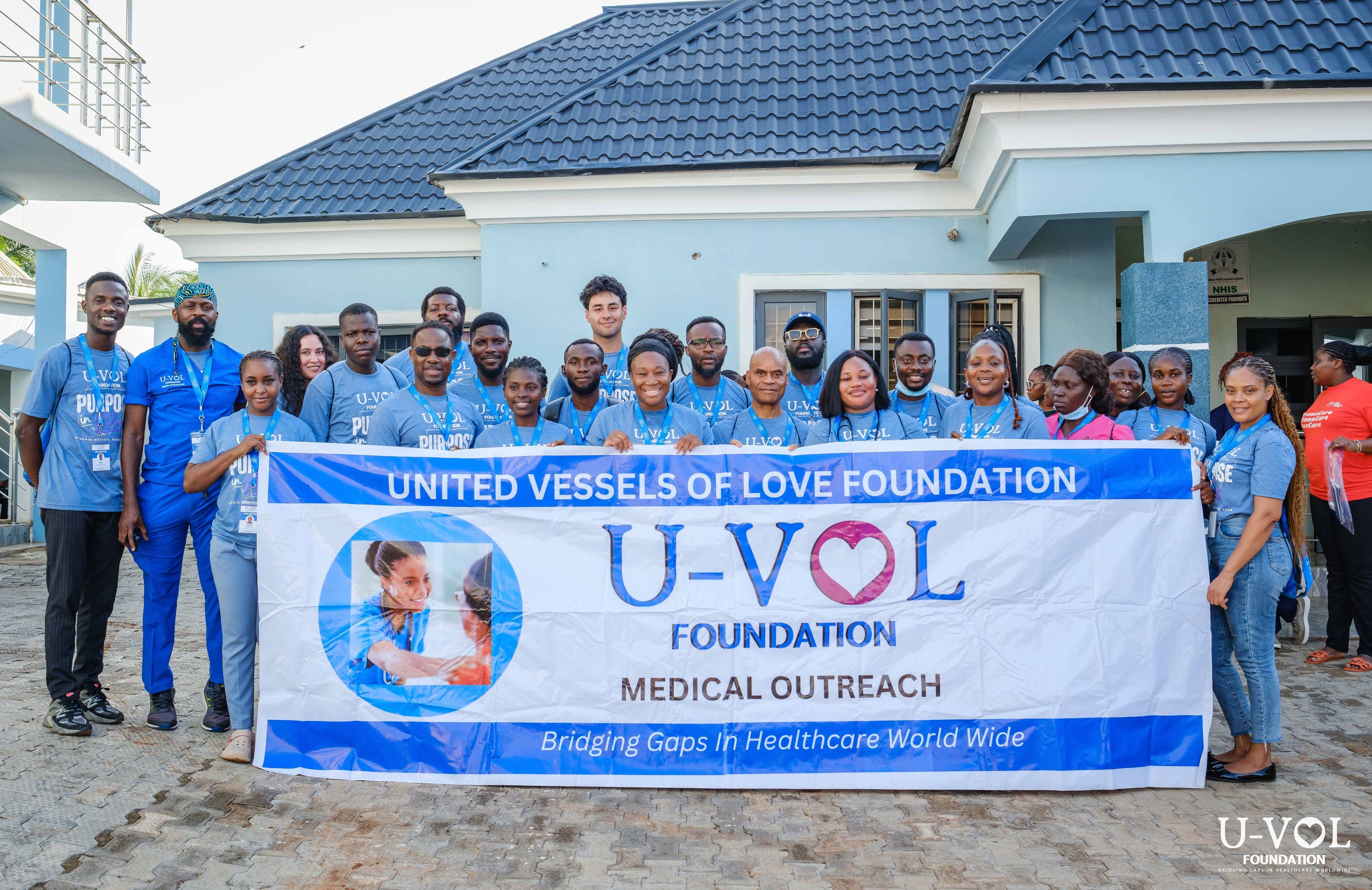
U-VOL Foundation
A medical mission can change lives but its impact can reach even further. See how U-VOL Foundation is combining direct patient care with education and local capacity building to create lasting change in Nigeria.
Read more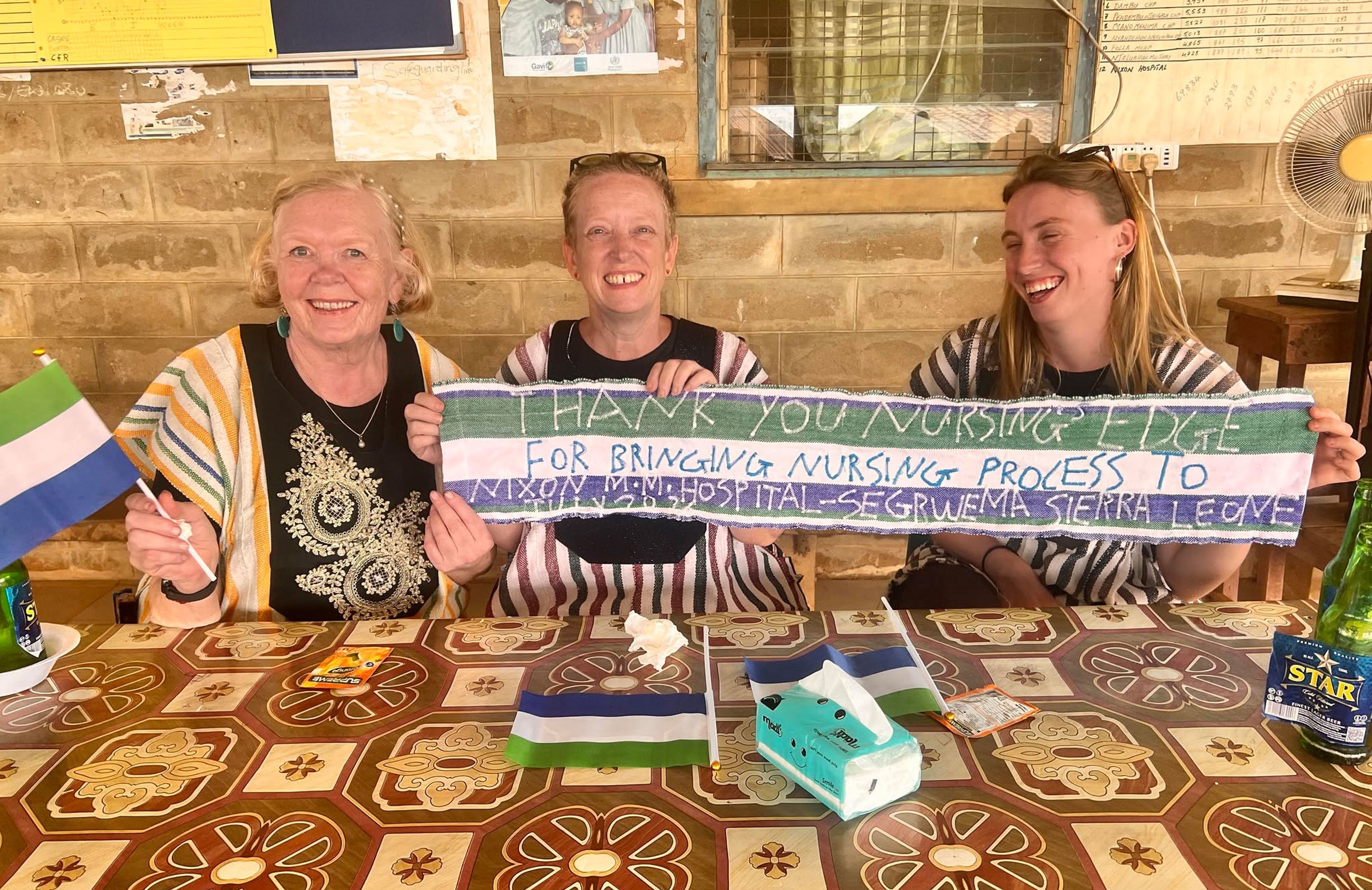
Nursing's Edge
When nurses teach nurses, knowledge travels. Nursing’s Edge is helping strengthen bedside care in Sierra Leone by investing in the nurses and educators who will carry that knowledge forward.
Read more